
Fall has a way of making Hollywood feel busy again. The summer blockbusters have moved out of the center of the conversation, awards season has officially begun to take shape, television is filling up with new premieres, and suddenly the same names seem to be appearing everywhere. One week an actor is promoting a new series, the next they are walking a fashion-week runway, appearing at a festival, sitting down for an interview or turning up in a completely unexpected project.
It is not always a traditional comeback. Sometimes it is a star entering a new phase of their career. Sometimes it is an established performer taking on a role that changes the way audiences see them. And sometimes it is simply the result of Hollywood’s increasingly crowded release calendar, where one actor can have several projects arriving within months of one another.
That is what makes the fall 2026 celebrity cycle particularly interesting. The people suddenly dominating entertainment coverage are not necessarily the ones with the biggest franchises. Many are actors whose visibility is coming from a combination of projects, appearances and conversations rather than one enormous movie.
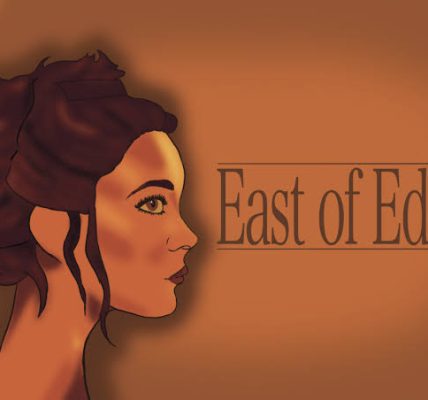
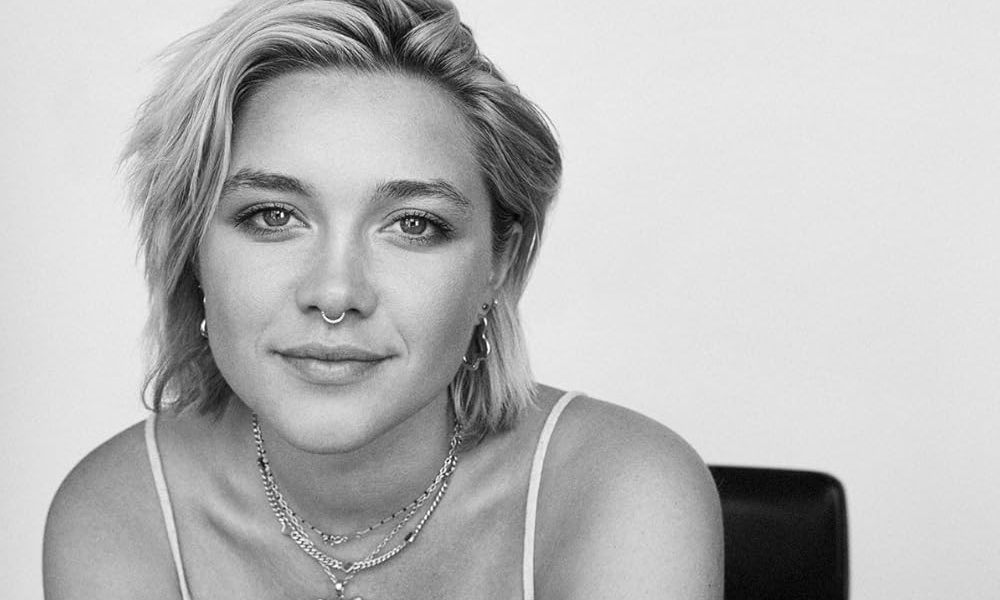
Florence Pugh is a good example. Her name is attached to one of the season’s most visible television projects, Netflix’s adaptation of John Steinbeck’s East of Eden. The series has placed Pugh back in the center of the fall entertainment conversation while also giving audiences another opportunity to see her in a major dramatic role. Fall television coverage has identified the adaptation as one of the season’s notable new releases, alongside projects built around other major film and television names.
What makes a project like East of Eden especially useful for a celebrity cycle is that it stretches the conversation beyond a premiere date. A recognizable actor gives the audience an entry point, while the source material, production and character create reasons for entertainment outlets to keep talking about the show.
The same thing is happening with Woody Harrelson and Matthew McConaughey. The pair are returning to television together in Apple’s Brothers, marking another reunion for two actors whose previous collaboration in True Detective became one of the most recognizable television pairings of the 2010s. Their return is not simply another casting announcement. It carries the extra attention that comes with putting two familiar stars together again in a completely different project.
That is one of Hollywood’s most reliable ways to create renewed attention: take something audiences remember and place it somewhere unexpected.
A reunion does not have to recreate the original success. In fact, part of the appeal is seeing whether the chemistry survives outside the context that originally made it famous.
Fall television is also putting established performers into new environments. NBC’s Line of Fire, for example, launched its fall run with Peter Krause and Hope Davis leading an ensemble drama centered on a family whose members work across different federal protective and law-enforcement agencies. The series premiered September 21, making both actors part of the current network television conversation.
The return of broadcast television itself changes the rhythm of celebrity attention. Unlike a film campaign that can build for months around a single opening weekend, a television series creates repeated opportunities for actors to appear in interviews, promotional events, episode discussions and social-media clips. A performer can become part of the conversation every week rather than only when a movie premieres.
That is one reason fall can make Hollywood stars feel as though they are suddenly everywhere.
There is also the festival circuit. September is no longer simply about television premieres. It is packed with international film festivals, fashion events, industry gatherings and promotional appearances, allowing actors to move between entertainment worlds in a matter of days.
Jonathan Bailey is a particularly visible example of that overlap. Recent celebrity coverage has followed him at London Fashion Week, where he attended the Burberry show, while other appearances have kept him in the broader entertainment conversation.
The result is a celebrity who can be discussed simultaneously as an actor, fashion figure and cultural personality.
That crossover has become increasingly important. An actor does not need a movie opening every weekend to remain visible. A fashion-week appearance can introduce the actor to an audience that may not be following their filmography closely. A magazine cover can generate social conversation. A television role can create weekly engagement. A festival appearance can bring prestige and industry attention.
All of those things reinforce one another.
Kaia Gerber is another example of how the boundaries between acting, fashion and celebrity culture continue to blur. Gerber and Homer Gere appeared together on the September 2026 cover of Vogue ahead of the premiere of Ryan Murphy’s adaptation of Bret Easton Ellis’s The Shards. The joint interview positioned the pair not simply as performers promoting a new series, but as part of a larger cultural conversation around the project.
Gerber’s presence is particularly interesting because audiences have already known her through fashion. Moving further into acting means that her visibility can now travel between industries. Fashion audiences can follow her into television, while television viewers encounter her through entertainment coverage that may also reference her modeling career.
The modern celebrity machine thrives on exactly that kind of crossover.
It is also why some stars appear to be everywhere even when they are not technically promoting the same project.
Tom Cruise has been another highly visible figure during the fall promotional season. Recent coverage has followed him in London as he promoted Digger, while his appearance at BAFTA brought another major industry event into the campaign.
Cruise represents a different version of the phenomenon because his level of fame does not depend on being rediscovered. Instead, every new project becomes an event because audiences already know exactly who he is.
The interesting part is what happens when a familiar star uses that attention to introduce a different kind of project.
That is becoming more common as actors with long-established careers become increasingly interested in controlling the shape of their next chapter. The question is no longer simply whether a star can remain famous. It is whether they can keep the audience interested when the type of work changes.
That same question is playing out across the fall film landscape.
CBS’s current fall preview, published September 27, highlighted a crowded slate of new movies and entertainment projects arriving in October and beyond. Among them is Misty Green, opening October 9 and starring Rosalind Eleazar, Adam Driver, Daniel Kaluuya, Anna Kendrick and Anthony Anderson. The film centers on a once-successful actress trying to find her footing again in a hostile Hollywood environment, making its premise particularly relevant to an entertainment industry increasingly fascinated by career reinvention.
The irony is almost too perfect: a film about an actress attempting to reclaim her place in Hollywood is arriving during a season when audiences are watching real performers navigate their own changing careers.
But the larger celebrity story is not just about who is returning.
It is about who is changing direction.
Mahershala Ali recently spoke openly about the frustrations of trying to be seen for the roles he wants to pursue. His interview arrives after years of recognition, including two Academy Awards, while his career has also been shaped by projects that did not develop as originally expected. His experience illustrates how even highly decorated actors can find themselves reassessing what they want to make and how they want audiences to understand them.
That kind of conversation has become a major part of modern celebrity coverage.
An interview can now be almost as important as the project being promoted. When an actor explains why they chose a role, why they walked away from another opportunity or what they want to do next, audiences are given a storyline that goes beyond the basic question of what they are starring in.
The celebrity becomes part of the story.
And that is where fall 2026 feels particularly crowded.
The Paley Center’s 20th annual PaleyFest Fall TV Previews is featuring conversations with casts and creators from numerous new and returning programs, including Line of Fire, The Gentlemen, The Rainmaker, The Paper, NCIS: New York and Best Medicine. The lineup includes performers such as LL COOL J, Scott Caan, Peter Krause, Hope Davis, Theo James and Kaya Scodelario.
That type of programming demonstrates how promotional culture has evolved. Television stars are no longer simply appearing on late-night shows during premiere week. They are participating in long-form conversations, behind-the-scenes videos, festival panels and digital content designed to keep audiences engaged between episodes.
In other words, the promotional machine has become part of the entertainment.
A celebrity appearance can now have several lives. The original interview may air on YouTube. A short clip can circulate on TikTok. A quote can become an entertainment headline. Fans can discuss a fashion look on Instagram. A photograph from the event can become a separate story.
One appearance can therefore generate an entire week of visibility.
That helps explain why some celebrities suddenly seem unavoidable.
It is not necessarily because Hollywood has decided one person is the new biggest star. It can simply be because the timing is right. Their show has premiered. Their movie is approaching release. They are attending a festival. They are working with a fashion house. They have a new interview. Their co-star is also promoting the project. A previous role is trending again.
The pieces start stacking up.
The fall calendar makes that stacking especially noticeable because television, movies, fashion and awards conversations overlap.
The Emmy Awards have already shifted the television conversation into its next phase. The 78th Emmy Awards took place September 14, with Widow’s Bay leading the telecast with six wins, while The Pitt and Pluribus each earned two.
Now the attention moves toward the next wave.
New series are arriving. Returning shows are beginning new seasons. Films are entering the fall festival and awards conversation. Fashion weeks are supplying another stream of celebrity photographs. Music and entertainment events are adding even more opportunities for stars to appear.
The result is an entertainment calendar where visibility can change almost overnight.
One actor may dominate headlines for a week because of a premiere. Another may suddenly become the subject of fashion coverage. A third may go viral because of an interview. A fourth may return to a franchise that audiences thought was finished.
And because social media never really closes, the conversation does not have to stop when the event ends.
A red-carpet photograph can circulate for days. A celebrity interview can continue generating clips long after publication. Fans can rediscover an old performance and connect it to the actor’s current project. A television episode can create a new viral moment even if the series itself premiered weeks earlier.
That means celebrity attention is increasingly less predictable.
The stars who appear to be “everywhere” are often simply the stars whose careers happen to intersect with several cultural conversations at the same time.
This is also changing how audiences understand career momentum. In the past, a celebrity’s visibility might have been measured through box-office numbers, television ratings or magazine covers. Today, it is much more difficult to separate professional success from general cultural presence.
An actor can be discussed because of a movie, photographed at Fashion Week, interviewed about their personal creative process and then become part of a social-media trend unrelated to the project they were promoting.
The career is no longer one straight line.
It is a network.
That may be the biggest reason fall 2026 has produced so many “suddenly everywhere” stars. Hollywood itself is increasingly interconnected. Film feeds television. Television feeds fashion. Fashion feeds social media. Social media sends audiences back to old movies. Festivals feed awards coverage. Awards coverage sends viewers back to streaming platforms.
Every appearance can lead somewhere else.
And the celebrities benefiting from that system are not necessarily the newest faces in Hollywood. Some are established actors entering a new phase. Some are performers returning after a quieter period. Some are expanding from acting into producing, directing or fashion. Others are simply choosing projects that put them in front of audiences they have not reached before.
That is what makes this fall’s celebrity watch more interesting than a simple list of who is famous right now.
The real story is movement.
Who is returning? Who is experimenting? Who is crossing into another industry? Who is suddenly getting more attention because of a new role? Who has quietly built several projects that are now arriving at once?
Those questions tell us more about Hollywood’s current celebrity culture than simply counting red carpets.
Because the modern star does not have to dominate one screen to dominate the conversation.
Sometimes all it takes is the right fall, the right project and a calendar crowded enough to make everyone notice.
References
- CBS News — The New Season: Fall 2026
- Vanity Fair — 29 New TV Shows to Watch This Fall
- Vogue — Kaia Gerber and Homer Gere Are Vogue’s September Cover Stars
- NBCUniversal — NBC and Peacock Kick Off the Fall with Three New Series
- TV Insider — Fall 2026 Premiere Dates
- Paley Center for Media — 2026 PaleyFest Fall TV Previews
- People — Celebrity Sightings and Events, September 2026
- GQ — Mahershala Ali Interview
- TheSpeye.com