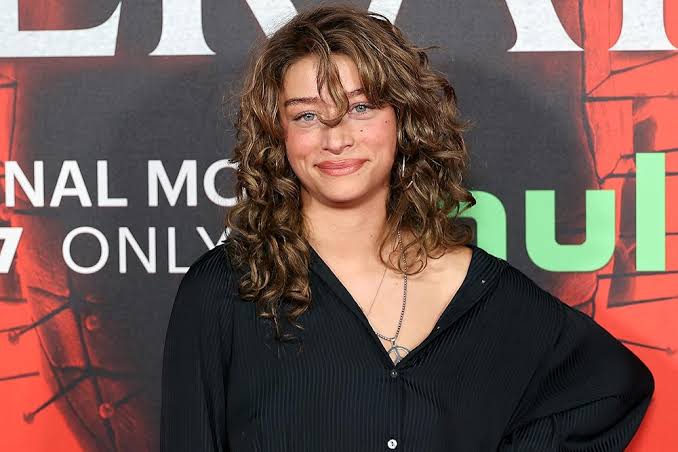

Celebrity news used to have a rhythm. A star would appear at a premiere, an interview would run the following morning, magazines would publish their coverage and the story would eventually move on to the next headline. That rhythm has largely disappeared. Today, a single red-carpet appearance can generate photographs, short-form videos, fan reactions, fashion analysis, rumors and follow-up stories within minutes, creating a celebrity news cycle that rarely has a clear stopping point.
The 2026 awards season demonstrated just how powerful that cycle has become. Red carpets are no longer simply arrivals before an awards ceremony; they are media events of their own. Vogue’s analysis of the 2026 awards season found that the Grammys, Oscars and Golden Globes generated hundreds of millions of dollars in estimated earned media value for fashion brands, showing how celebrity appearances can become major marketing moments beyond the ceremonies themselves. (vogue.com)
Social media has accelerated the process. A celebrity can step onto a carpet, post a photograph or appear in a short video and immediately become part of a worldwide conversation. Fans do not have to wait for entertainment programs or next-day coverage to react; they can comment, remix clips, create memes and turn individual moments into entirely new stories.
The 2026 Emmys provided a particularly clear example. CNN and Variety expanded their red-carpet coverage with live interviews and social-media content, while the ceremony’s “Winners Walk” gave audiences immediate reactions from major winners after they left the stage. The event itself was therefore surrounded by a continuous stream of interviews, fashion coverage and social content rather than being limited to the televised ceremony. (cnnpressroom.blogs.cnn.com)
Even small interactions can now become entertainment stories. At this year’s Emmys, a brief red-carpet moment involving Zendaya, Odessa A’zion and stylist Law Roach went viral after viewers interpreted the interaction as awkward. Roach later addressed the speculation and said there was no conflict, illustrating how quickly a few seconds of footage can become a celebrity-news story — and how quickly the people involved may need to respond. (people.com)
That cycle is not limited to awards shows. Fashion weeks, film festivals, premieres and major cultural events now operate as enormous celebrity-content engines. At New York Fashion Week, for example, celebrities such as Dua Lipa and Callum Turner appeared at high-profile events, generating coverage that extended beyond fashion into celebrity relationships, entertainment and lifestyle. (vogue.com)
The most interesting part is that celebrities themselves are increasingly able to participate directly in the cycle. A carefully timed Instagram post, a behind-the-scenes video or a seemingly spontaneous photograph can provide audiences with content without requiring a traditional media interview. That gives stars and their teams another way to control when information enters the public conversation and what material audiences see first.
At the same time, fan communities have become active participants in determining which moments receive attention. TikTok’s entertainment partnerships have increasingly focused on the relationship between creators, audiences and film fandom, with the platform reporting millions of daily posts about film and television. That means a moment does not necessarily need to originate from a traditional entertainment publication to become a major pop-culture conversation. (webwire.com)
This has created a feedback loop. A celebrity appearance produces photographs. The photographs generate social reactions. Those reactions become entertainment headlines. The headlines generate more social posts, which can then produce another round of reactions from fans and the celebrity involved. What once might have been a single news item can now become a story with multiple chapters.
There is also a strategic element to timing. Major announcements increasingly appear alongside events when public attention is already concentrated — a film premiere, fashion week, awards ceremony, magazine cover or major festival. The surrounding media activity can give an announcement additional visibility, while the event itself provides a natural reason for audiences to discuss the celebrity.
But the speed of the cycle also creates complications. Context can disappear when a short video or photograph is separated from the original event. A facial expression, gesture or interaction can be interpreted thousands of different ways before the people involved have an opportunity to explain what actually happened. The resulting conversation can become a story in its own right, even when the original moment was insignificant.
That is why modern celebrity coverage increasingly operates somewhere between entertainment journalism, marketing and social media culture. A red carpet is simultaneously a fashion showcase, promotional opportunity, photograph opportunity and potential source of viral content. A celebrity announcement can function as news, publicity and social media strategy at the same time.
The biggest change may be that there is no longer a single place where the celebrity story begins or ends. It can start with a designer’s Instagram post, continue through a red-carpet photograph, explode on TikTok, receive analysis from entertainment publications and then return to the celebrity’s own social accounts.
The celebrity news cycle doesn’t sleep because the audience doesn’t either. There is always another photo to analyze, another clip to share, another announcement to discuss and another reaction waiting to become the next headline.
Hollywood’s stars are no longer simply appearing in the news. They are increasingly participating in a media ecosystem that can turn almost any public moment into a story — sometimes before the night is even over.
References
- Vogue — Who Won Awards Season on Social Media?
- CNN Press Room — CNN & Variety Red Carpet Live: TV’s Biggest Night
- People — Law Roach Addresses Viral Emmys Red Carpet Moment
- Vogue — Dua Lipa and Callum Turner at New York Fashion Week
- TikTok / WebWire — Sundance 2026: How TikTok Is Fueling Film Fandom