My Secret Exposed: Kelly Clarkson Reveals the Humiliating ‘Pretty Woman’ Shopping Experience That Left Everyone Talking

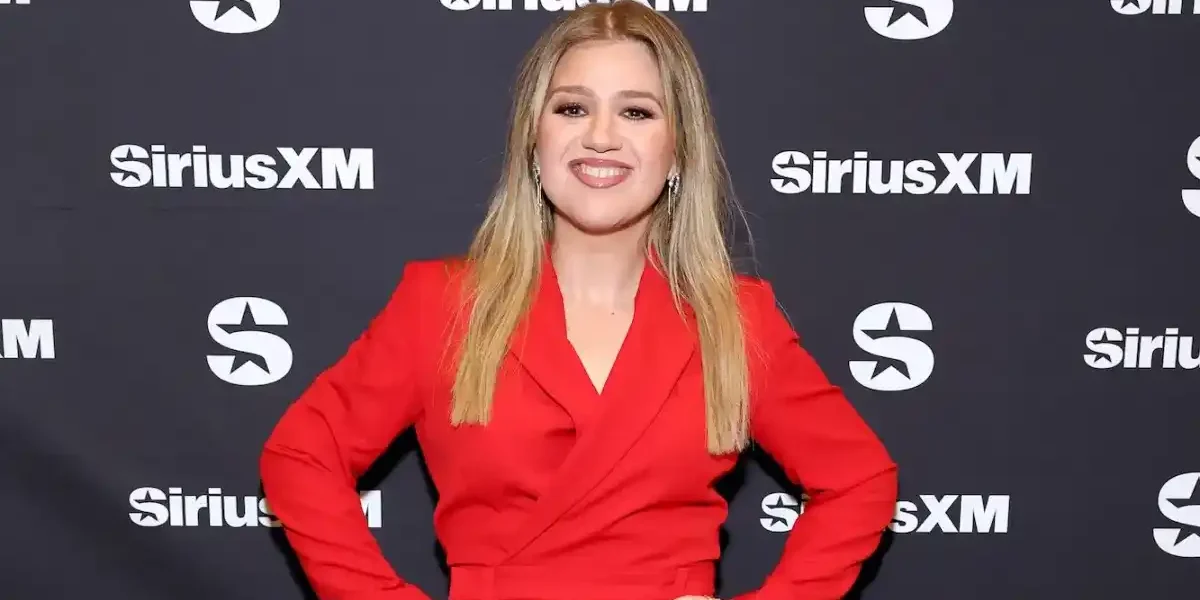
Kelly Clarkson has spent more than two decades winning over audiences with her powerhouse voice, relatable personality, and refreshing honesty. Whether she’s performing on stage, coaching aspiring singers, or sharing personal moments with fans, Clarkson has built a reputation for being authentic. That authenticity was on full display once again when she opened up about a shopping experience in New York City that she described as something straight out of the classic film Pretty Woman.
Her candid remarks quickly became one of the internet’s most talked-about celebrity stories, sparking debates about customer service, judging people based on appearances, and the enormous influence celebrities have when they share personal experiences online. What began as a routine shopping trip soon evolved into a nationwide conversation that extended far beyond one retail store.
Kelly Clarkson’s Unexpected Shopping Experience
According to Clarkson, she traveled to Brooklyn specifically to visit a store she had been eager to explore. She had already planned several purchases and was excited to browse unique items. Instead of receiving a warm welcome, she claimed she immediately felt as though she was being judged.
Clarkson later shared on social media that an employee allegedly looked at her as though she couldn’t afford the merchandise. She said the employee even suggested finding something “comparable,” implying that the items she wanted were outside her budget. Feeling insulted, Clarkson expressed her frustration publicly, saying the employee had just lost a significant sale.
Her comments immediately resonated with thousands of people who have experienced similar situations while shopping. Many social media users praised Clarkson for speaking openly about an issue they believe happens far too often.
Why She Compared It to Pretty Woman
Clarkson referenced one of the most memorable scenes from the 1990 romantic comedy Pretty Woman, starring Julia Roberts and Richard Gere.
In the film, Roberts’ character, Vivian Ward, enters an upscale boutique where employees refuse to help her because they assume she cannot afford the expensive clothing. Later, after purchasing luxury items elsewhere, she returns to deliver the iconic line:
“Big mistake. Big. Huge.”
The comparison immediately clicked with millions of fans because the scene has become a cultural symbol of being unfairly judged based solely on appearance.
Clarkson’s story suggested she experienced a modern version of that same prejudice, making the comparison instantly recognizable to audiences around the world.
Social Media Reacts Instantly
Within hours, Clarkson’s post spread rapidly across social media platforms. Fans rushed to defend the Grammy-winning singer, arguing that no customer deserves to be treated disrespectfully regardless of what they’re wearing or how they appear.
Many people also shared their own stories of being ignored by retail employees or being assumed unable to afford luxury merchandise. For these individuals, Clarkson’s experience validated frustrations they had carried for years.
Others, however, urged caution, pointing out that every disagreement has multiple perspectives and encouraging people not to rush to conclusions before hearing the store’s explanation.
The conversation quickly shifted from being about one celebrity encounter to becoming a broader discussion about customer service standards in today’s retail environment.
The Store Responds
As public attention intensified, the Brooklyn business at the center of the controversy issued its own public statement.
According to the store, Clarkson had been interested in purchasing “Molly,” a one-of-a-kind singing and dancing bird automaton that serves as part of the store’s magic show experience. The business explained that the display was permanently installed and was never intended for sale.
Store representatives maintained that the interaction had been misunderstood rather than intentionally disrespectful. They emphasized that visitors are encouraged to explore, play with products, and enjoy the experience regardless of whether they make a purchase. The owners also expressed surprise at the wave of criticism they received following Clarkson’s social media post and hoped to eventually clear up the misunderstanding.
Kelly Clarkson Stands By Her Story
Rather than letting the issue fade away, Clarkson responded again.
She insisted that her version of events accurately reflected what happened during her visit. Clarkson maintained that she had been shown a price and was offered an alternative because the employee assumed she couldn’t afford the item she wanted.
She also pushed back against the store’s explanation, saying she supports small businesses but believes customers deserve kindness and respect. Clarkson emphasized that speaking honestly about poor service should not automatically be viewed as attacking a business.
Her follow-up comments added another layer to the story, leaving many observers divided over whose account they believed.
The Bigger Conversation About Customer Service
Although Clarkson’s celebrity status drew headlines, the incident touched on something much larger than one shopping trip.
Many shoppers have experienced entering a store only to feel invisible, dismissed, or stereotyped because of their clothing, age, race, or perceived income. Retail experts have long emphasized that first impressions can dramatically influence purchasing decisions.
Excellent customer service begins with treating every visitor equally. Employees rarely know who may become a loyal customer or make a significant purchase. Assuming someone’s financial situation based on appearance can lead to missed opportunities and lasting reputational damage.
Clarkson’s experience reminded many businesses that professionalism should remain consistent regardless of who walks through the front door.
Celebrity Influence in the Digital Age
The incident also highlighted how powerful celebrity voices have become.
Clarkson’s enormous social media following allowed her experience to reach millions within minutes. While that visibility can help shine a light on poor customer experiences, it also raises questions about responsibility.
Small businesses often lack the resources to manage sudden waves of online criticism. A single viral post can dramatically impact customer reviews, public perception, and even daily operations.
Supporters argued that Clarkson simply shared her honest experience.
Critics questioned whether publicly naming the business before hearing its perspective unintentionally encouraged online harassment.
Both viewpoints demonstrate the complicated relationship between celebrity influence and social media accountability.
Why the Story Resonated With So Many People
One reason the story gained so much attention is because almost everyone has experienced some form of unfair judgment.
Whether someone has been overlooked in a clothing store, ignored in a luxury boutique, or treated differently because of casual attire, these experiences leave lasting impressions.
Clarkson’s fame did not shield her from feeling embarrassed or underestimated. In fact, her story reinforced the idea that assumptions can affect anyone.
That universal message helped transform a celebrity headline into a relatable discussion that reached audiences far beyond entertainment news.
Lessons Businesses Can Learn
The controversy serves as an important reminder for retailers everywhere.
Every customer deserves respect, whether they’re browsing casually or preparing to make a substantial purchase. Building long-term customer loyalty depends on creating welcoming experiences that make people feel valued rather than judged.
Businesses should also remember that misunderstandings can escalate quickly in today’s connected world. Clear communication, empathy, and professionalism often prevent small interactions from becoming public controversies.
Training employees to avoid assumptions and focus on genuine hospitality benefits both customers and the business itself.
Public Opinion Remains Divided
As more details emerged, public opinion remained mixed.
Some people believed Clarkson completely, citing her reputation for honesty and openness throughout her career.
Others felt the store’s explanation sounded reasonable and believed the interaction may have been an unfortunate misunderstanding rather than intentional discrimination.
Still others argued that the truth likely lies somewhere in the middle, with miscommunication causing both parties to interpret the conversation differently.
Regardless of where opinions landed, nearly everyone agreed that the incident demonstrated how quickly ordinary encounters can become international headlines when celebrities are involved.
Final Thoughts
Kelly Clarkson’s “Pretty Woman” shopping experience became much more than another celebrity news story. It sparked conversations about respect, assumptions, customer service, and the influence of social media in shaping public opinion.
Whether one believes Clarkson’s account, the store’s explanation, or a combination of both, the situation offers valuable lessons for businesses and consumers alike. Every interaction matters. Small moments of kindness—or moments perceived as disrespect—can leave lasting impressions that extend far beyond a single transaction.
Perhaps the biggest takeaway is one that applies everywhere, not just in retail stores: people should never be judged by appearances alone. Behind every customer is a unique story, and treating everyone with dignity remains one of the simplest yet most powerful principles of good service.
As the discussion continues online, Kelly Clarkson’s experience serves as a reminder that respect, empathy, and open communication are still the foundations of every positive customer experience. While the details of what happened may continue to be debated, the broader message about fairness and treating others with courtesy is one that resonates universally.