Why Did US and Iran Suddenly Agree to a Ceasefire? Full Breakdown of the Shocking Deal and What Comes Next

Breaking Global Development Overview
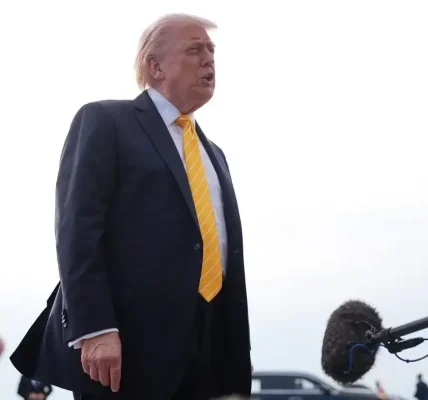
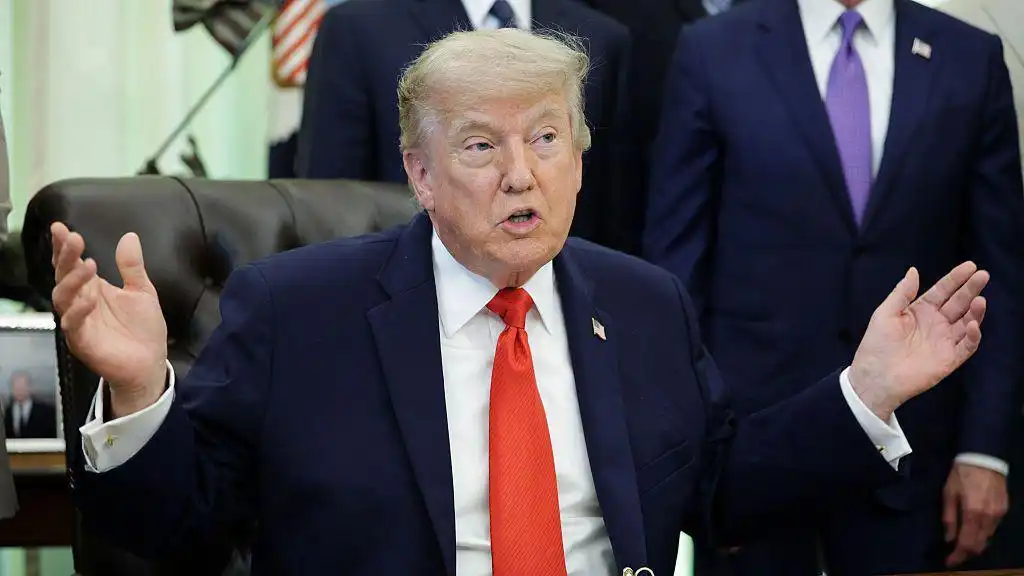
Reports circulating across international media and political commentary platforms claim that the United States and Iran have unexpectedly reached a ceasefire agreement following a period of heightened geopolitical tension. The announcement, attributed to US President Donald Trump in early reports, suggests that both nations have agreed to de-escalate ongoing hostilities and open diplomatic channels aimed at stabilizing the region. According to these claims, the agreement was not reached in isolation, but with reported involvement from regional mediators including Qatar, Pakistan, and indirect diplomatic channels linked to Iran.
Although the situation has gained massive global attention, official confirmation from major international bodies and government press releases remains limited at the time of writing. As a result, the story is currently being treated as a developing geopolitical narrative that reflects both confirmed diplomatic activity in the region and unverified early reports circulating online.
Despite the uncertainty, the implications of such an agreement—if fully confirmed—would be historically significant, potentially marking one of the most important shifts in US–Iran relations in decades.
Historical Context of US–Iran Relations
To understand why a sudden ceasefire would be so significant, it is essential to look at the long and complex history between the United States and Iran. Relations between the two countries have been strained since the 1979 Iranian Revolution, which resulted in the breakdown of formal diplomatic ties. Since then, tensions have persisted through cycles of sanctions, military posturing, nuclear program disputes, and regional proxy conflicts.
Over the years, the US has imposed multiple rounds of economic sanctions on Iran, largely focused on its nuclear development program and regional influence. Iran, in turn, has maintained a firm stance on its sovereignty and strategic independence, often engaging in indirect conflicts through allied groups across the Middle East. These long-standing tensions have repeatedly placed both nations on the edge of diplomatic crisis, making any ceasefire or formal agreement a major global development.
What Triggered the Ceasefire Discussions
While official details remain unconfirmed, early reports suggest that the ceasefire discussions were triggered by a rapid escalation of regional instability. In many geopolitical situations involving the United States and Iran, tensions often rise due to military activity in the Persian Gulf, sanctions enforcement, or incidents involving allied forces in neighboring countries.
In this case, the reported shift toward ceasefire is believed to have been influenced by a combination of diplomatic pressure and regional mediation efforts. Countries such as Qatar have historically played quiet but influential roles in facilitating dialogue between conflicting parties in the Middle East, often acting as neutral grounds for indirect negotiations. Pakistan has also been referenced in past diplomatic discussions due to its strategic relationships with both Western and Middle Eastern nations, allowing it to serve as a communication bridge in sensitive political situations.
If these reports are accurate, the ceasefire may not have been a sudden political decision but rather the result of months of behind-the-scenes negotiations that were only recently brought into public view.
Why the United States Would Consider a Ceasefire
From a strategic perspective, there are several reasons why the United States might pursue a ceasefire agreement with Iran. One of the most significant factors is regional stability. Continued tensions in the Middle East often have direct consequences on global energy markets, military alliances, and international security operations. Any escalation between the US and Iran carries the risk of broader conflict involving multiple regional actors.
Economic considerations may also play a role. Prolonged geopolitical tension requires sustained military readiness and diplomatic resource allocation, both of which can place pressure on national budgets and political priorities. In addition, shifts in global strategy often lead US administrations to reassess foreign policy focus, particularly when balancing interests in multiple regions such as Eastern Europe and the Asia-Pacific.
Domestic political factors can also influence foreign policy decisions. Public opinion, election cycles, and legislative pressure can all contribute to a shift toward de-escalation, especially when prolonged conflicts are viewed as strategically costly or politically sensitive.
Why Iran Might Agree to a Ceasefire
From Iran’s perspective, entering a ceasefire agreement could also carry significant strategic benefits. One of the most pressing issues for Iran in recent years has been the impact of economic sanctions, which have affected trade, oil exports, and access to global financial systems. A reduction in tensions with the United States could open the door to economic relief or at least gradual easing of restrictions.
Security considerations also play an important role. Regional conflicts increase the risk of direct military confrontation, which both sides have historically sought to avoid. A ceasefire would reduce immediate military pressure and potentially create space for broader diplomatic negotiations in the future.
Additionally, Iran may view a ceasefire as an opportunity to re-engage with international diplomatic frameworks, depending on the terms and guarantees offered. Such a move could help stabilize internal economic conditions while also improving external diplomatic standing over time.
Role of Qatar and Pakistan in Mediation Efforts
One of the most notable aspects of the reported agreement is the involvement of third-party mediators, particularly Qatar and Pakistan. In many international conflicts, neutral countries often play a crucial role in facilitating communication between opposing sides that do not maintain direct diplomatic relations.
Qatar has frequently served as a diplomatic intermediary in Middle Eastern negotiations, hosting discussions involving various regional and international actors. Its neutral positioning and established diplomatic infrastructure have made it a preferred location for indirect talks in complex geopolitical situations.
Pakistan’s potential involvement is also significant due to its historical role in regional diplomacy and its strategic relationships with both Western countries and Middle Eastern states. In scenarios involving indirect negotiations, countries like Pakistan often assist in backchannel communications that help reduce misunderstandings and build preliminary frameworks for formal agreements.
If both countries were indeed involved in facilitating discussions between the US and Iran, it would suggest that the ceasefire emerged from coordinated regional diplomacy rather than a sudden bilateral decision.
Global Reaction and Market Sensitivity
Even in the absence of full confirmation, reports of a US–Iran ceasefire have the potential to trigger immediate global reactions. Financial markets are particularly sensitive to geopolitical developments in the Middle East, especially those involving oil-producing regions and major global powers.
Oil prices often respond quickly to perceived reductions in conflict risk, while stock markets may react based on expectations of improved global stability. International organizations and allied governments also tend to respond rapidly to such developments, either by issuing statements of support or calling for formal verification of agreements.
On social media, geopolitical news spreads rapidly, often outpacing official confirmations. This creates a situation where public perception can shift significantly even before details are fully verified by governments or international institutions.
What Happens After a Ceasefire Agreement
If a ceasefire between the United States and Iran is officially confirmed, the next phase would likely involve structured diplomatic engagement. This would include formal documentation of the agreement, clarification of terms, and potentially the involvement of international observers to ensure compliance.
In many cases, ceasefires serve as the first step toward broader negotiations that may include discussions on sanctions, regional security arrangements, and long-term diplomatic normalization. However, such processes are often complex and subject to political shifts, making long-term stability uncertain.
The success of any ceasefire would depend heavily on mutual trust, enforcement mechanisms, and the willingness of both parties to maintain diplomatic engagement over time.
Conclusion
The reported ceasefire between the United States and Iran, allegedly involving mediation efforts from Qatar and Pakistan, represents one of the most significant geopolitical narratives currently circulating in global news discussions. While full official confirmation is still limited, the implications of such an agreement are far-reaching, potentially affecting global security, economic stability, and regional power dynamics.
Whether this development ultimately proves to be a confirmed diplomatic breakthrough or part of an ongoing negotiation process, it highlights the continued importance of diplomacy in managing long-standing international tensions. The relationship between the United States and Iran remains one of the most closely watched in global politics, and any movement toward de-escalation is likely to attract significant international attention.
As the situation develops, verified updates from official government statements and established international news organizations will be essential in confirming the true status of the reported ceasefire.
References