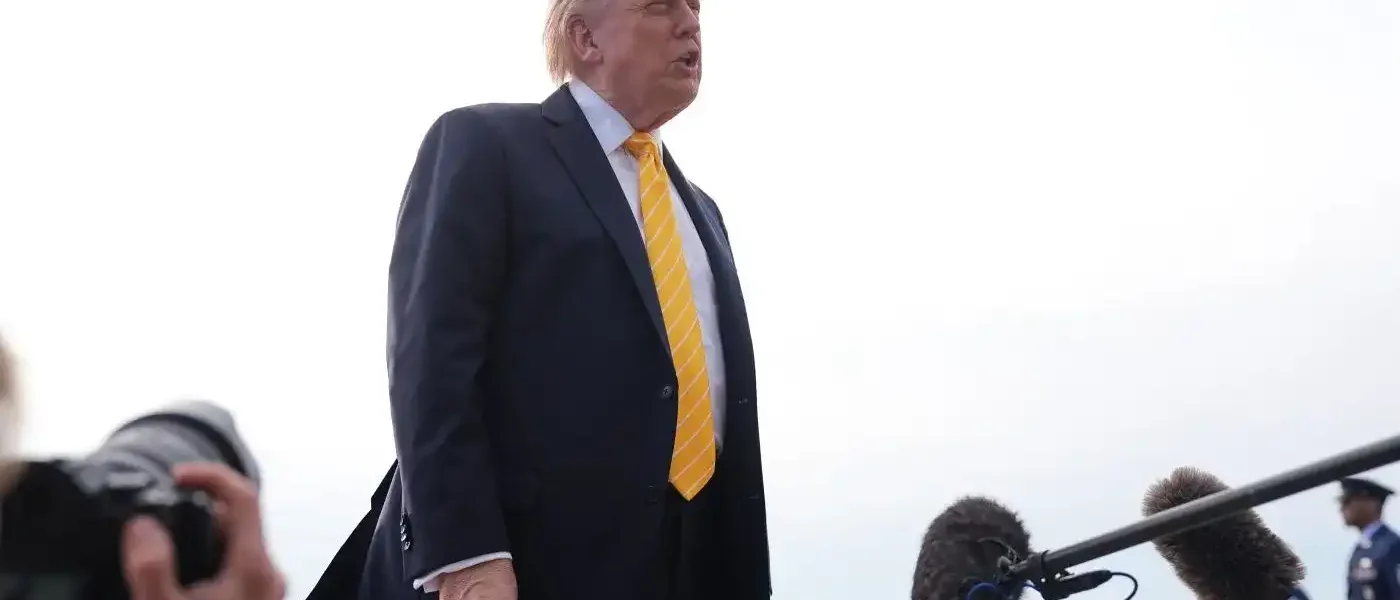

President Donald Trump is once again at the center of national political debate after a recent poll showed his disapproval rating reaching a new high, signaling increasing public concern over his leadership and policy direction. According to a Washington Post–ABC News–Ipsos survey, public sentiment has shifted in a way that reflects growing political polarization and voter dissatisfaction.
While approval ratings naturally fluctuate for any sitting president, this latest data point has sparked renewed discussion about Trump’s political standing, voter sentiment heading into future elections, and what these numbers could mean for his influence on the national stage.
What the Latest Poll Shows
The most recent Washington Post–ABC News–Ipsos poll indicates that Trump’s disapproval rating has climbed to one of its highest recorded levels in recent surveys. While exact numbers vary depending on sampling methods and timing, the trend is clear: more Americans are expressing disapproval than approval of his performance.
Polls like this typically measure:
- Presidential approval vs. disapproval
- Public perception of leadership performance
- Voter sentiment across party lines
- Key issues influencing opinion (economy, immigration, foreign policy, etc.)
In this case, the disapproval figure has become the dominant narrative, overshadowing any marginal gains in approval ratings.
Understanding Presidential Approval Ratings
Presidential approval ratings are a key indicator of how the public perceives the president’s job performance. They are not election results, but they often reflect broader political mood and public confidence.
How approval ratings are measured:
Polling organizations like Ipsos and ABC News survey a sample of voters across the country and ask whether they:
- Approve of the president’s performance
- Disapprove of the president’s performance
- Or have no opinion
These responses are then weighted to reflect the national population.
Why Disapproval Ratings Matter More Than Ever
While approval ratings often get the most attention, rising disapproval numbers can be even more politically significant.
A high disapproval rating may suggest:
- Increased dissatisfaction among independent voters
- Weakening support outside the president’s core base
- Growing polarization in national politics
- Challenges in shaping public messaging
In Trump’s case, analysts often point to the widening gap between approval and disapproval as a sign of deep political division.
The Political Context Behind the Numbers
Trump’s political career has always been marked by strong support from his base and equally strong opposition from critics. This polarization tends to amplify movements in polling data.
Several factors typically influence his approval and disapproval ratings:
1. Economic conditions
Public perception of inflation, job growth, and cost of living plays a major role in presidential approval.
2. Policy decisions
Immigration policies, tax proposals, and foreign relations often shape public opinion.
3. Media coverage
Extensive and often critical media attention can influence how voters interpret presidential actions.
4. Political events
Court cases, legislative battles, and campaign activity can all affect polling trends.
What the Latest Poll Suggests About Voters
The rise in disapproval does not necessarily mean a uniform shift across all demographics. Instead, it often reflects differences among voter groups.
Key patterns typically seen in similar polls:
- Independent voters often drive changes in approval ratings
- Party loyalty remains strong among Republicans and Democrats
- Younger voters may express different levels of engagement or dissatisfaction
- Regional differences can shape overall results
This mix of opinions contributes to the volatility of national polling numbers.
Comparing Approval vs. Disapproval Trends
To understand the significance of the latest data, it helps to look at the balance between approval and disapproval.
A=Papprove,D=Pdisapprove,Δ=D−A
When Δ (the gap between disapproval and approval) increases, it typically signals declining public support or increased political resistance.
In Trump’s case, analysts note that widening gaps in this measure often reflect heightened political division rather than uniform decline across all voter groups.
Why Poll Numbers Fluctuate
It is important to understand that polling data is not static. Approval and disapproval ratings can shift based on:
- Recent news events
- Economic announcements
- Political speeches or rallies
- International developments
- Survey timing and methodology
A single poll represents a snapshot in time rather than a long-term prediction.
Media and Public Reaction
Following the release of the Washington Post–ABC News–Ipsos poll, political commentators and media outlets quickly analyzed the results. Reactions have generally focused on:
- The significance of rising disapproval among key voter groups
- What it could mean for Trump’s political influence
- How it compares to previous administrations at similar stages
- Whether the trend is temporary or part of a longer pattern
Supporters and critics alike have interpreted the numbers differently, reflecting the deeply divided nature of U.S. politics.
Historical Perspective on Presidential Ratings
Trump’s approval and disapproval ratings are not unusual in the broader context of American presidencies. Many presidents experience periods of low approval during politically or economically challenging times.
Historically:
- Approval ratings tend to fluctuate throughout a presidency
- Major crises or controversies often impact public perception
- Polarized presidencies tend to show higher disapproval ranges
What makes modern polling more visible is the speed at which results are shared and discussed through media and social platforms.
What This Means Moving Forward
While polls do not determine election outcomes on their own, they can influence:
- Political strategy and messaging
- Fundraising efforts
- Media narratives
- Public perception of momentum
For Trump, rising disapproval ratings may shape how campaigns and political allies position themselves in future political cycles.
The Bigger Picture
Beyond the numbers, this poll reflects a broader reality of modern American politics: increasing division in how citizens view leadership. Whether approval rises or disapproval climbs, the gap between political viewpoints continues to define public discourse.
In today’s media environment, every new poll becomes part of a larger narrative about trust, leadership, and national direction.
Conclusion
The latest Washington Post–ABC News–Ipsos poll showing Donald Trump’s disapproval rating reaching a new high highlights the ongoing volatility of public opinion in American politics. While approval ratings are just one measure of political standing, they offer insight into how voters are responding to leadership, policies, and current events.
As political dynamics continue to evolve, these numbers will likely shift again—but for now, the trend points to growing public pushback and heightened political scrutiny.
Sources / References