Trump Says He Won’t ‘Rush Into’ a Deal With Iran as Hopes of Imminent Agreement Cool

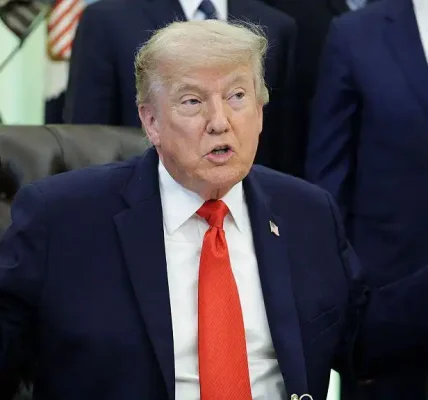
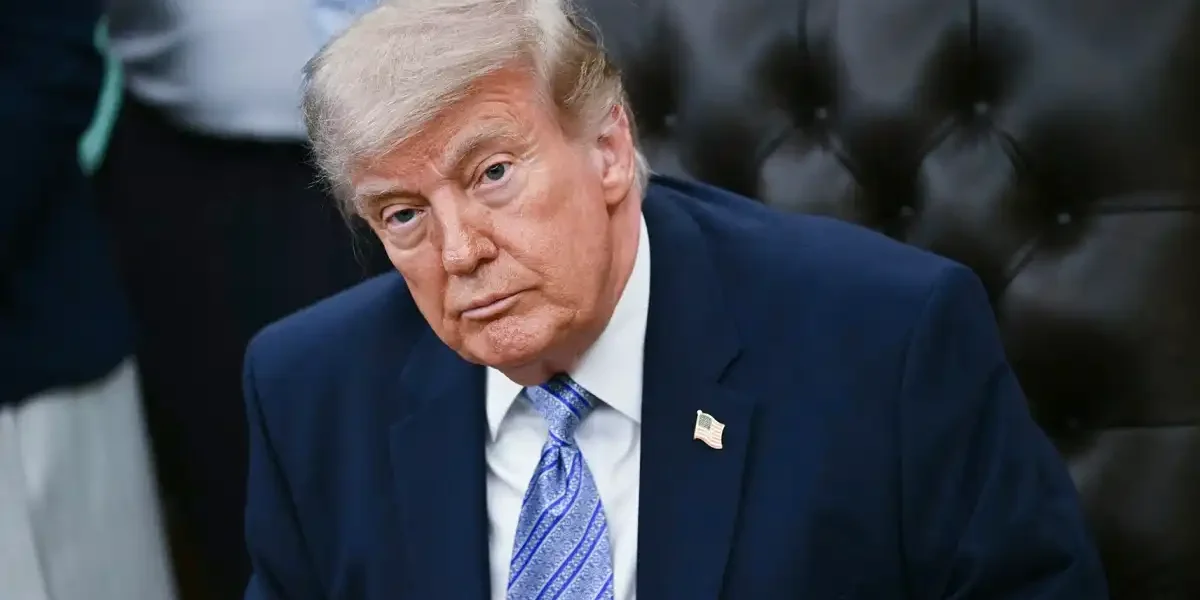
The geopolitical landscape surrounding the United States and Iran has once again shifted as President Donald Trump signals caution in ongoing negotiations. Despite earlier optimism that a breakthrough agreement was near, Trump has now emphasized that he will not “rush into” a deal, signaling that diplomacy may take longer than initially expected.
The announcement comes at a critical moment in the evolving U.S.-Iran conflict, which has already destabilized global energy markets and intensified political divisions in Washington and abroad.
As expectations of an imminent agreement cool, the situation reveals deeper tensions between diplomacy, military strategy, and domestic political pressure.
Trump’s Cautious Shift on Iran Negotiations
President Donald Trump has recently taken a more measured tone regarding negotiations with Iran. According to White House statements and Trump’s own remarks, he has instructed negotiators not to rush into any agreement, stressing that time is on the United States’ side and that any deal must meet strict conditions.
Trump stated that discussions are ongoing but emphasized caution, particularly regarding the terms of a potential ceasefire and broader peace agreement.
The evolving deal reportedly includes provisions for easing blockades, reopening key maritime routes such as the Strait of Hormuz, and initiating phased discussions on Iran’s nuclear program. However, nothing has been finalized, and Trump’s recent comments suggest increasing hesitation over the current framework.
Why the Iran Deal Is So Controversial
At the center of the debate is a proposed diplomatic framework aimed at ending the ongoing U.S.-Israel conflict with Iran and stabilizing the region. Reports suggest the agreement may include a 60-day ceasefire, partial sanctions relief, and conditions for Iran to manage or transfer its enriched uranium stockpile.
Supporters of the deal argue that it could reduce tensions, reopen global trade routes, and stabilize energy markets. Critics, however, believe the agreement could leave Iran in a stronger strategic position without fully dismantling its nuclear capabilities.
This divide is particularly sharp within Trump’s own political base.
Republican Divisions Over Iran Strategy
One of the most striking developments is the growing split among Republicans. Several senior GOP lawmakers have expressed concern that the emerging agreement may be too lenient on Iran.
Senators including Roger Wicker, Lindsey Graham, Ted Cruz, and others have warned that easing sanctions or lifting blockades too early could allow Iran to regain economic and military strength.
Some critics argue that the deal risks repeating past diplomatic mistakes, referencing the 2015 Iran nuclear agreement under former President Barack Obama. They claim that without strict enforcement and verification mechanisms, Iran could continue advancing its nuclear ambitions under the cover of diplomacy.
On the other hand, some Republican figures acknowledge that diplomacy may be the only viable path to ending a prolonged and costly conflict.
This internal division highlights the complexity of Trump’s position: balancing hardline national security expectations with growing pressure to de-escalate military tensions.
The Strategic Importance of the Strait of Hormuz
A major component of the proposed agreement involves the reopening of the Strait of Hormuz, one of the world’s most important oil transit chokepoints. Iran previously disrupted maritime traffic in the region, contributing to global supply shocks and rising oil prices.
The potential reopening of this waterway is seen as a critical step toward stabilizing global energy markets.
However, negotiations surrounding this issue are highly sensitive. The U.S. has maintained pressure through naval blockades and sanctions, while Iran has resisted conditions it perceives as economically coercive.
Any agreement will likely hinge on how both sides balance economic relief with security guarantees.
Iran’s Position and Nuclear Concerns
The Iranian government maintains that its nuclear program is peaceful and denies pursuing weapons capability. However, Western intelligence agencies and U.S. officials have long expressed concerns about uranium enrichment levels and potential military applications.
According to reports, one of the most contentious issues in negotiations is whether Iran would be required to surrender or dilute its highly enriched uranium stockpile as part of the agreement.
Some proposals suggest third-party countries could hold Iranian nuclear materials temporarily while long-term verification mechanisms are negotiated.
Still, Iran has pushed back against parts of the draft framework, complicating efforts to reach consensus.
Domestic Pressure on Trump Intensifies
Trump’s cautious tone reflects not only international complexity but also domestic political pressure.
Hardline Republicans and foreign policy hawks argue that the U.S. should maintain maximum pressure on Iran until its nuclear capabilities are fully dismantled. They fear that any compromise could strengthen Iran’s regional influence and undermine U.S. allies, particularly Israel.
Meanwhile, critics of military escalation argue that continued conflict risks destabilizing the region further and increasing economic fallout for American consumers.
The result is a highly polarized political environment in which every diplomatic move is scrutinized for both strategic and ideological consequences.
Israel’s Security Concerns
The government of Israel has also expressed concern about the direction of negotiations. Israeli officials have consistently warned that any agreement must fully eliminate Iran’s ability to develop nuclear weapons.
Israeli leaders fear that partial concessions or phased agreements could allow Iran to rebuild capabilities over time.
This concern adds another layer of complexity to the negotiations, as U.S. policymakers must balance diplomatic progress with maintaining strong alliances in the region.
Economic Impact: Oil Markets React
Global markets have already responded to shifting expectations around the Iran deal.
Oil prices fell sharply following reports that negotiations were progressing, reflecting optimism that a resolution could restore stability to global energy supplies. However, uncertainty remains high as no final agreement has been signed.
Investors remain cautious, recognizing that even small disruptions in Middle Eastern supply routes can have significant global economic consequences.
Energy analysts warn that volatility may continue until a formal agreement is reached and fully implemented.
Why Trump Is Avoiding a Fast Agreement
Trump’s decision not to rush into a deal appears to be driven by several strategic considerations:
- Verification concerns – Ensuring Iran complies fully with nuclear restrictions.
- Political pressure – Managing criticism from Republican allies and foreign policy hawks.
- Regional stability risks – Avoiding a rushed agreement that could collapse later.
- Energy security – Maintaining leverage over global oil routes like the Strait of Hormuz.
- Negotiation strategy – Maximizing U.S. leverage by delaying final concessions.
This approach reflects a broader philosophy of transactional diplomacy, where timing and leverage are considered as important as the agreement itself.
Comparison to Past Iran Agreements
The current negotiations are often compared to the 2015 nuclear deal, which placed limits on Iran’s nuclear program in exchange for sanctions relief. That agreement was later criticized by Trump and ultimately abandoned during his first presidency.
The current situation differs in several key ways:
- The region is currently experiencing active conflict rather than cold diplomacy
- Energy markets are more volatile due to supply disruptions
- Political polarization in the U.S. is significantly higher
- Military involvement from both U.S. and Israeli forces is more direct
These factors make the current negotiations far more complex than previous diplomatic efforts.
Risks of Delaying a Deal
While caution may prevent a flawed agreement, delaying a deal also carries risks.
Extended uncertainty could:
- Prolong regional conflict
- Keep energy markets unstable
- Increase humanitarian costs
- Reduce trust between negotiating parties
If negotiations drag on too long, opportunities for compromise may diminish as political positions harden on both sides.
What Happens Next
According to U.S. officials, a deal could still be finalized within days if both sides agree on key provisions. However, analysts warn that internal political opposition in both Washington and Tehran could delay or derail the process.
The next phase of negotiations will likely focus on:
- Nuclear enrichment limits
- Sanctions relief conditions
- Maritime security in the Strait of Hormuz
- Verification and enforcement mechanisms
- Regional ceasefire arrangements
Each of these issues represents a potential breaking point in the talks.
Conclusion: A Deal Still Possible, but Far from Certain
President Trump’s statement that he will not “rush into” a deal with Iran reflects a moment of strategic hesitation in a highly volatile geopolitical environment. While optimism remains that a breakthrough is possible, the reality is that significant disagreements persist on core issues.
The future of U.S.-Iran relations now depends on whether both sides can bridge the gap between urgency and caution.
For Trump, the challenge is clear: secure a deal that ends conflict without appearing to concede too much. For Iran, the priority is lifting economic pressure without compromising national sovereignty.
Until those differences are resolved, the world will continue watching closely as one of the most consequential diplomatic negotiations of the decade unfolds.
Citation Section