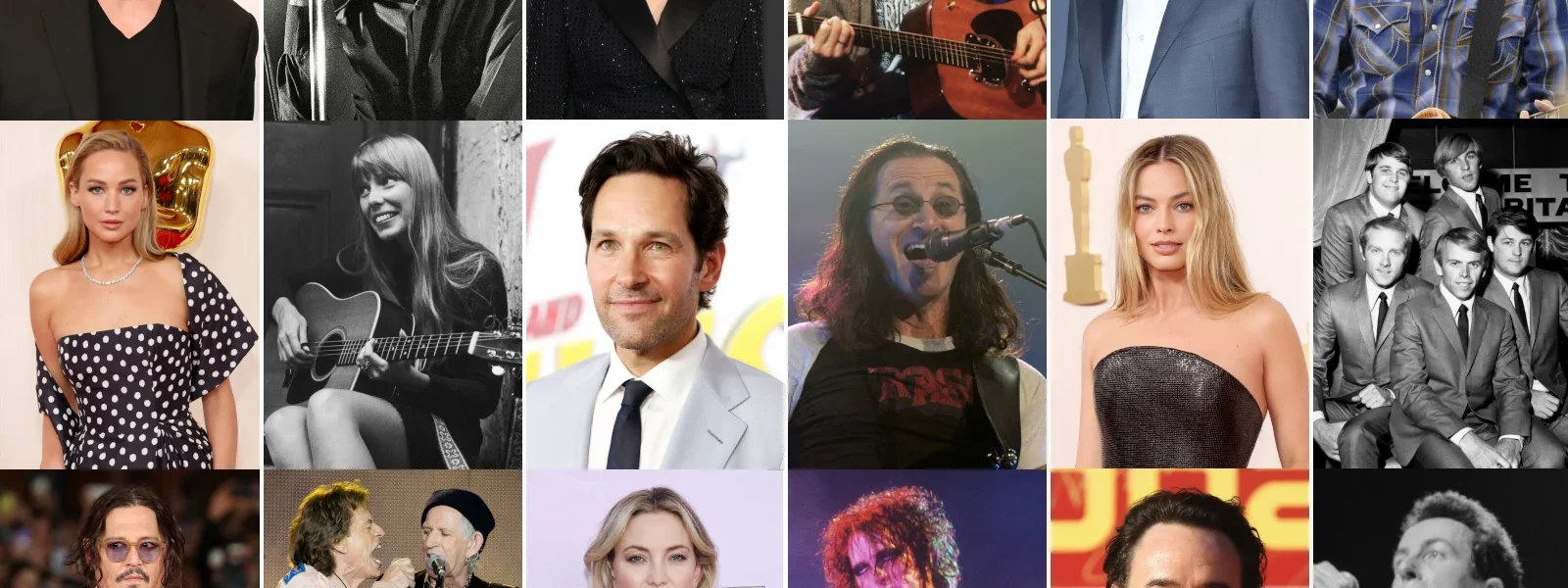

In 2026, the balance of power between celebrities and the public has fundamentally shifted. Where public figures once carefully curated their image through controlled interviews, press releases, and polished appearances, the rise of real-time digital platforms has weakened that control. Today, the audience plays a far more active role in shaping how stories unfold. Every post, video clip, or public moment is instantly analyzed, interpreted, and reframed by millions of people online, turning narrative control into a collaborative — and often unpredictable — process.
The shift is driven largely by speed. Social media platforms allow reactions to happen instantly, often faster than a celebrity or their team can respond. A single moment can spark thousands of interpretations within minutes, creating multiple competing narratives before any official statement is released. This immediacy makes it nearly impossible for celebrities to fully control the storyline. Instead, they are forced to respond to a narrative that has already begun evolving without them.
Audience participation is at the core of this transformation. Fans, critics, and casual observers are no longer passive consumers of celebrity news; they are active contributors. They create memes, share commentary, highlight inconsistencies, and amplify certain angles of a story. This collective behavior shapes perception in powerful ways, often determining which aspects of a situation gain traction and which fade into the background. In many cases, the audience’s interpretation becomes the dominant narrative, regardless of the celebrity’s original intent.
Another factor is the fragmentation of media. Traditional gatekeepers — magazines, television networks, and PR channels — no longer have exclusive control over storytelling. Instead, countless online communities and platforms act as decentralized hubs of discussion, each with its own perspective and influence. This diversity of voices means that narratives are constantly evolving, influenced by different viewpoints, cultural contexts, and levels of engagement. For celebrities, this creates a landscape where controlling a single, unified message is increasingly difficult.
The permanence of digital content further complicates narrative control. Every statement, action, or appearance can be recorded, revisited, and reinterpreted over time. Past moments can resurface and be reframed in light of new events, altering public perception long after the original context has faded. This ongoing cycle of rediscovery and reinterpretation ensures that narratives are never truly fixed; they remain fluid, shaped by both past and present interactions.
Importantly, emotion drives much of this audience-led storytelling. Reactions fueled by humor, outrage, admiration, or skepticism tend to spread more quickly and widely, influencing how stories are perceived. Viral content often prioritizes emotional impact over nuance, which can lead to simplified or exaggerated narratives gaining traction. As a result, celebrities must navigate not only factual accuracy but also the emotional tone of public discourse, which can shift rapidly and unpredictably.
In response, many celebrities are adapting their strategies. Some embrace transparency, engaging directly with audiences in an attempt to influence the narrative in real time. Others adopt strategic silence, allowing conversations to play out while avoiding statements that could escalate the situation. However, even these approaches have limitations, as audience interpretation continues to evolve independently. The key challenge is no longer just crafting a message, but understanding how that message will be received, reshaped, and redistributed by a global audience.
This shift reflects a broader cultural change: influence is no longer a one-way broadcast but a dynamic exchange. The audience’s ability to shape narratives highlights the democratization of media, where collective voices hold significant power in defining public perception. For celebrities, this means relinquishing a degree of control and adapting to a landscape where authenticity, timing, and responsiveness are critical.
Ultimately, the era of fully controlled celebrity narratives is fading. In its place is a system where stories are co-created in real time, influenced by millions of voices across digital platforms. Success in this environment requires not just visibility, but adaptability — the ability to navigate a constantly shifting narrative shaped as much by the audience as by the celebrity themselves. In 2026, the story no longer belongs to one voice; it belongs to everyone watching, reacting, and participating.