Iran Says It Does Not Trust the US as Trump Toughens Terms: Rising Tensions in Nuclear Talks

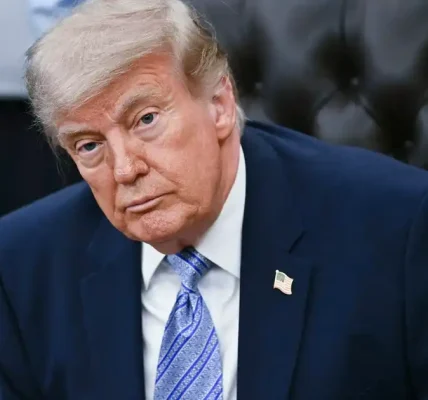
The already fragile relationship between the United States and Iran has taken another sharp turn after Iran’s chief negotiator publicly stated that Tehran does not trust Washington and will not agree to any deal unless Iranian rights are fully protected. The statement came as former U.S. President Donald Trump, who is leading renewed diplomatic pressure on Iran, toughened his negotiation terms and pushed for stricter conditions on Iran’s nuclear program and regional activities.
The clash highlights the deep mistrust that continues to define U.S.–Iran relations, even as both sides attempt to avoid a return to full-scale conflict in the Middle East. With nuclear concerns, sanctions relief, and strategic waterways like the Strait of Hormuz on the table, negotiations remain highly unstable and uncertain.
Iran’s Firm Position: “The US Cannot Be Trusted”
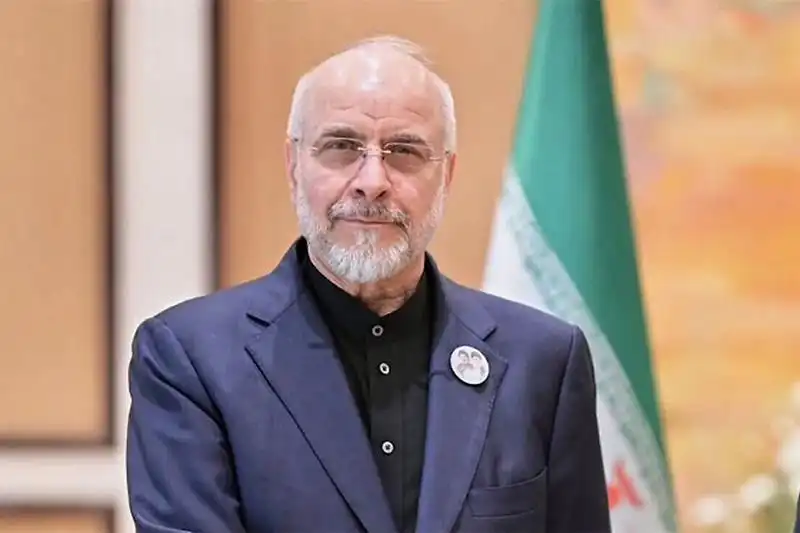
Iran’s parliamentary speaker and chief negotiator, Mohammad Bagher Ghalibaf, made it clear that Tehran views Washington’s approach with suspicion. According to Iranian statements reported by multiple international outlets, Iran insists that it will not approve any agreement unless it is fully confident that the rights of the Iranian people are guaranteed and that past U.S. actions will not be repeated.
Iranian officials emphasized that their distrust stems from what they describe as years of inconsistent U.S. policy, including previous withdrawals from agreements and renewed sanctions pressure. Tehran argues that any future deal must include enforceable guarantees, not just political promises.
Iranian messaging also signals that domestic political pressure is playing a major role. Hardline factions within Iran have long opposed negotiations with the United States, warning that Washington cannot be relied upon to uphold commitments over time.
Trump’s Toughened Terms in the Negotiations
At the same time, Donald Trump has intensified pressure on Tehran by sending back a revised and more demanding peace proposal. According to reports, the updated framework places stricter limits on Iran’s nuclear program and strengthens U.S. expectations regarding regional security issues.
Key elements of Trump’s approach include:
- A permanent ban on Iran developing nuclear weapons
- Strong limits or elimination of uranium enrichment capabilities
- Demands for greater control or international access to strategic routes like the Strait of Hormuz
- Expanded verification mechanisms for nuclear compliance
- Continued sanctions pressure unless major concessions are made
Trump has repeatedly stated that he is “in no hurry” to finalize any agreement, arguing that the United States must secure a “strong and enforceable deal” rather than a rushed compromise.
According to reporting on the negotiations, Trump’s administration believes that Iran must make significant structural changes to its nuclear program to ensure long-term stability in the region.
Nuclear Program at the Center of the Crisis
The core issue driving the standoff remains Iran’s nuclear program. The United States and its allies have long expressed concern that Iran could move closer to weapons capability, while Tehran insists its nuclear work is purely for civilian and energy purposes.
Recent proposals reportedly include:
- A long-term suspension or limitation of enrichment activities
- Removal or international control of highly enriched uranium stockpiles
- Strict inspection regimes led by international agencies
- Conditional sanctions relief in exchange for compliance
However, Iran has strongly resisted calls for “zero enrichment,” describing such demands as unacceptable and a violation of its sovereignty.
This fundamental disagreement continues to block progress in negotiations, with neither side willing to compromise on core security concerns.
The Strait of Hormuz: A Strategic Flashpoint
Beyond nuclear issues, the Strait of Hormuz has become another major point of contention. This narrow waterway is one of the world’s most important oil shipping routes, and control or access to it carries major geopolitical consequences.
The U.S. has pushed for unrestricted international navigation through the strait, while Iranian officials have insisted on maintaining significant influence over its use.
Recent negotiation drafts reportedly include requirements for Iran to avoid mining the strait and to allow open shipping routes as part of any ceasefire or agreement framework.
This issue is especially sensitive because any disruption in the Strait of Hormuz can quickly impact global oil prices and international trade stability.
Rising Military and Political Pressure
The diplomatic standoff is taking place alongside continued military tension. Reports indicate that both sides have engaged in limited strikes and counter-strikes in the broader region, raising fears that the situation could escalate further if negotiations collapse.
U.S. defense officials have warned that military options remain available if diplomacy fails, while Iran has also signaled that it is prepared to respond if it perceives existential threats.
This combination of diplomatic talks and military signaling creates a highly volatile environment, where even small miscalculations could have significant consequences.
Why Trust Has Collapsed Between Iran and the US
The current crisis is not just about nuclear policy—it is deeply rooted in decades of mistrust.
Key factors contributing to the breakdown of trust include:
1. Withdrawal from Previous Agreements
Iranian officials frequently point to past U.S. decisions to abandon international agreements as evidence that commitments are unreliable.
2. Sanctions Pressure
Long-standing economic sanctions have created deep resentment in Tehran and are seen as tools of political coercion.
3. Military Posturing
Both sides have engaged in military demonstrations or limited strikes, reinforcing perceptions of hostility rather than cooperation.
4. Competing Regional Interests
Iran and the U.S. support opposing political and military alliances across the Middle East, further deepening strategic rivalry.
Diplomatic Efforts Still Ongoing
Despite the tension, negotiations have not completely collapsed. Reports suggest that both sides continue indirect talks mediated by third parties, with discussions focusing on:
- Temporary ceasefire arrangements
- Limited sanctions relief proposals
- Nuclear inspection frameworks
- Maritime security arrangements in the Gulf region
Some proposals include a 60-day negotiation window under a ceasefire framework to allow further diplomatic engagement.
However, even these interim arrangements remain fragile and subject to approval from both leaderships.
Global Implications of the Standoff
The outcome of U.S.–Iran negotiations carries significant global consequences:
Energy Markets
Any escalation in the Strait of Hormuz could disrupt global oil supply chains and increase fuel prices worldwide.
Regional Stability
Tensions could affect neighboring countries in the Gulf region, many of which depend on stable maritime trade routes.
Nuclear Non-Proliferation
A breakdown in talks could weaken global nuclear non-proliferation efforts and increase regional arms competition.
International Diplomacy
The crisis also affects broader relations between major powers that have interests in mediating or influencing the outcome.
Conclusion
The latest round of U.S.–Iran tensions underscores how deeply entrenched mistrust continues to define relations between the two countries. Iran’s declaration that it does not trust the United States, combined with Donald Trump’s tougher negotiating terms, has pushed both sides further apart even as diplomatic channels remain open.
While negotiations are still ongoing, the gap between Washington and Tehran remains wide on key issues such as nuclear enrichment, sanctions relief, and regional security control. Unless significant compromises are made, the risk of continued instability in the Middle East remains high.
For now, diplomacy continues—but under the shadow of distrust, pressure, and the possibility of escalation.
Citation Section
- Iran says does not trust US as Trump toughens terms (Inquirer.net)
- Iran says it does not trust US as Trump toughens terms (ABS-CBN News)
- US–Iran negotiations overview and developments (AP News)
- Trump says US not satisfied yet on Iran deal (Reuters)
- Trump sends amended peace plan back to Iran (New York Post)
- Trump in ‘no hurry’ to sign Iran deal (New York Post)
- Iran–United States negotiations (Wikipedia background)