The World Heading Toward a Financial Crisis: Political Uncertainty, U.S. Policy Risks, and Investor Anxiety in Trump’s Second Term

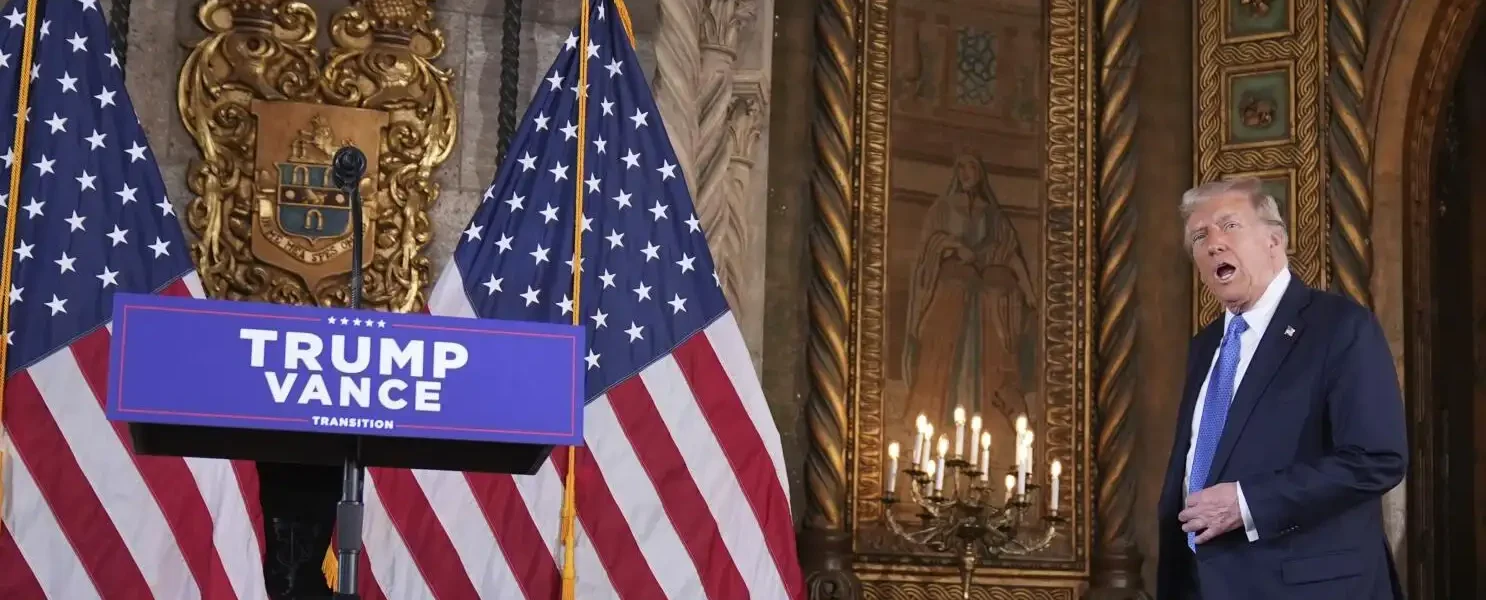
The global financial system is entering a period of heightened uncertainty, with economists, investors, and policy analysts increasingly warning that structural risks across markets, debt, and geopolitics may converge into a broader economic shock. At the center of many of these debates is the role of U.S. leadership under the second term of Donald Trump, where critics argue that policy unpredictability in Washington could weaken global confidence at a critical moment.
While financial crises are rarely triggered by a single cause, the combination of rising debt levels, persistent inflation pressures, geopolitical tensions, and inconsistent policy signals has led some analysts to warn that the global economy may be entering a fragile phase. In this environment, U.S. political decisions carry outsized influence, shaping investor sentiment, currency stability, and capital flows worldwide.
This article explores the growing concerns surrounding global financial stability, the political dynamics in Washington, and why some experts believe the United States may be less prepared than in previous economic downturns.
Understanding the Growing Fear of a Global Financial Crisis
The idea of a financial crisis is not new, but the conditions that typically precede one are becoming more visible in global markets. Rising sovereign debt, tightening monetary policy cycles, and geopolitical fragmentation have created a complex economic environment.
Key risk factors often cited by economists include:
- Elevated government debt levels in major economies
- High interest rate environments limiting liquidity
- Weak productivity growth in advanced economies
- Persistent inflation pressures in key sectors
- Geopolitical instability affecting energy and trade flows
Individually, none of these conditions guarantee a crisis. However, when they interact, they can amplify vulnerabilities in financial systems.
Historically, financial crises—such as those in 2008 or earlier emerging market shocks—were triggered when confidence in financial institutions or government policy collapsed. Today, analysts argue that confidence remains fragile due to uncertainty surrounding policy direction in major economies, particularly the United States.
U.S. Politics and Global Economic Confidence
The United States plays a central role in global financial stability due to the dominance of the dollar, U.S. Treasury markets, and American equity markets. As a result, political developments in Washington often have global consequences.
Critics of current U.S. policy direction argue that political polarization and unpredictable decision-making have created an environment where investors struggle to anticipate future actions.
During Donald Trump’s second term, opponents claim that policy messaging has often been inconsistent, particularly around trade, taxation, and international relations. Supporters, however, argue that aggressive policy shifts are part of a broader strategy to renegotiate economic relationships and strengthen domestic industry.
Regardless of perspective, markets generally dislike uncertainty. When policy direction becomes unpredictable, investors tend to reduce risk exposure, leading to volatility in equities, currencies, and bonds.
Why Analysts Warn of “Policy-Induced Volatility”
One of the recurring themes in financial commentary is the idea of “policy-induced volatility,” where government decisions themselves become a source of market instability.
Analysts who express concern about Washington’s current trajectory point to several potential issues:
1. Trade and Tariff Uncertainty
Shifts in trade policy can disrupt global supply chains and corporate earnings forecasts. Companies may delay investment decisions if they are uncertain about future tariff structures or international agreements.
2. Fiscal Policy Direction
Large government spending programs or abrupt fiscal tightening can significantly impact growth expectations. Investors closely monitor U.S. fiscal discipline because of its impact on bond markets.
3. Geopolitical Messaging
Statements regarding international conflicts or strategic relationships can move energy prices and defense-related markets rapidly, sometimes within hours.
4. Regulatory Shifts
Changes in regulatory frameworks for technology, energy, and finance can alter profitability projections for entire sectors.
Together, these factors contribute to a perception that policy volatility is becoming a structural feature of the current political environment rather than a temporary condition.
The Role of Debt and Interest Rates in Market Fragility
Global debt levels have reached historic highs, particularly in developed economies. The United States, Europe, and Japan have all expanded borrowing significantly over the past decade.
Higher interest rates, implemented to combat inflation, have increased the cost of servicing this debt. As governments allocate more resources to interest payments, less fiscal space remains for stimulus or emergency intervention during downturns.
This creates a potential vulnerability: if a shock occurs, governments may have less flexibility to respond aggressively compared to previous crises.
In the United States, Treasury markets remain stable, but rising yields have increased concerns about long-term debt sustainability. Investors are closely watching whether fiscal policy can remain stable in a politically divided environment.
Market Reactions: Why Investors Are Becoming More Cautious
Financial markets tend to respond quickly to shifts in political tone and economic expectations. In recent months, investors have shown increased sensitivity to headlines involving policy uncertainty, inflation risks, and geopolitical developments.
Key behavioral trends include:
- Rotation into defensive sectors such as utilities and healthcare
- Increased demand for short-term government bonds
- Volatility in technology stocks during macroeconomic announcements
- Higher sensitivity to Federal Reserve policy signals
Technology stocks, in particular, tend to react strongly to changes in interest rate expectations. When uncertainty rises, high-growth equities often experience sharper corrections due to their reliance on future earnings projections.
At the same time, safe-haven assets such as gold and U.S. Treasuries typically benefit from risk-off sentiment.
Is the U.S. Less Prepared Than in Previous Crises?
One of the most debated questions among economists is whether the United States is better or worse prepared for a potential financial downturn compared to previous cycles.
Arguments that the U.S. is well-prepared:
- Strong labor market resilience
- Advanced financial regulatory systems
- Deep and liquid capital markets
- Global demand for the U.S. dollar
Arguments that the U.S. is less prepared:
- Higher national debt levels
- Political polarization affecting policy consistency
- Limited fiscal space for large stimulus programs
- Elevated asset valuations in equities and real estate
Critics argue that political instability may reduce the effectiveness of crisis response tools, particularly if rapid bipartisan agreement is required during an emergency.
Supporters counter that the U.S. system has historically adapted during crises, including the 2008 financial crash and the COVID-19 pandemic, through coordinated fiscal and monetary interventions.
Geopolitics and the Risk of External Shocks
Beyond domestic politics, global financial stability is increasingly influenced by geopolitical tensions. Conflicts affecting energy-producing regions, trade routes, or major economies can quickly spill into financial markets.
Oil price volatility remains one of the most significant transmission mechanisms for global inflation. When energy prices rise sharply, transportation and manufacturing costs increase, leading to broader inflationary pressure.
In such environments, central banks may be forced to maintain higher interest rates for longer periods, increasing the risk of economic slowdown.
This interconnectedness means that even localized geopolitical events can have global financial consequences within days or even hours.
Investor Psychology: Fear, Uncertainty, and Market Cycles
Financial markets are not driven solely by data—they are heavily influenced by psychology. Periods of uncertainty often lead to exaggerated market movements as investors attempt to price in unknown risks.
Behavioral finance studies show that fear of loss often outweighs potential gains, leading to:
- Rapid sell-offs during uncertainty
- Herd behavior in portfolio allocation
- Overreaction to political headlines
- Delayed investment decisions by corporations
When political messaging becomes unpredictable, these psychological effects can intensify, amplifying market volatility even in the absence of fundamental economic deterioration.
What Could Prevent a Full Financial Crisis?
Despite rising concerns, most economists emphasize that a full-scale financial crisis is not inevitable. Several stabilizing factors remain in place:
- Central bank intervention capability
- Strong corporate balance sheets in key sectors
- Global demand for safe assets
- Technological innovation driving productivity growth
- Diversified financial systems
The Federal Reserve, in particular, retains significant tools to stabilize liquidity and financial markets if needed.
Additionally, global investors continue to view U.S. markets as relatively safe compared to many other regions, which helps sustain capital inflows even during periods of uncertainty.
Conclusion: A Fragile but Not Broken Global System
The global financial system is undeniably operating in a more complex and uncertain environment than in previous decades. Rising debt levels, geopolitical tensions, and shifting monetary policies have created conditions that require careful monitoring.
Within this landscape, political developments in the United States—especially under the leadership of Donald Trump—play a significant role in shaping investor sentiment. Critics argue that policy unpredictability could increase volatility, while supporters believe that bold decision-making may ultimately strengthen long-term economic competitiveness.
Whether or not the world is truly heading toward a financial crisis remains uncertain. What is clear, however, is that markets are entering a period where political decisions, economic policy, and global stability are more interconnected than ever before.
For investors, policymakers, and businesses, the coming years will likely demand higher adaptability, deeper risk awareness, and closer attention to the signals emerging from Washington and beyond.
Citations
- International Monetary Fund (IMF) – Global Financial Stability Reports — Analysis of global financial risks, debt trends, and systemic vulnerabilities.
- World Bank – Global Economic Prospects — Data on global growth, inflation, and macroeconomic risks.
- Federal Reserve – Monetary Policy and Reports — U.S. monetary policy updates and economic assessments.
- Reuters – Global Economy News — Coverage of U.S. political developments, markets, and global economic risks.
- CNBC Markets Section — Financial news on markets, interest rates, and investor sentiment.
- Bloomberg Economics — Global macroeconomic analysis and financial system reporting.
- Investopedia – Financial Crisis Explained — Educational overview of financial crises and their causes.