
In 2026, the debate around AI in art has moved beyond speculation and into everyday reality. Across music, film, design, and writing, AI systems are no longer just tools assisting creators—they are actively shaping parts of the creative output itself. That shift is what keeps the internet divided: not over whether AI exists in art, but how much influence it should be allowed to have.
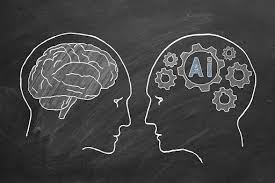
The core tension comes from authorship. Traditional creativity is built on the idea of a human mind translating experience into expression. When AI enters the process, that chain becomes less direct. If a model generates a melody, suggests a visual composition, or drafts a scene, the question becomes less about capability and more about origin. Who is the creator when the output is partially machine-generated?
On one side of the debate are those who see AI as an extension of existing creative tools. They argue that every technological shift—from photography to digital editing to sampling—initially raised similar concerns. In this view, AI is just the next step in a long evolution of artistic expansion, enabling creators to explore ideas faster and more widely than before.
On the other side are concerns about dilution. Critics argue that when machines generate large portions of creative work, the emotional and experiential core of art risks being flattened. Art, in this view, is not just about output—it’s about the human process behind it: intention, struggle, and lived perspective. Removing or minimizing that process changes the meaning of the work itself.
The internet amplifies both perspectives simultaneously. AI-generated images, songs, and videos circulate widely, often without clear labeling or context. Some are celebrated for their innovation; others are criticized for lacking depth or originality. But both types of responses contribute to the same reality: AI is now embedded in the cultural bloodstream.
There is also a practical divide forming. In commercial environments, AI is increasingly used to reduce production time and cost. In independent or high-art spaces, there is often stronger resistance, with emphasis placed on preserving human-made work as a distinct category. These two approaches are beginning to coexist rather than converge.
Audience perception plays a critical role in how this debate evolves. Many people are less concerned with how something was made and more concerned with whether it resonates emotionally. If a piece of music or visual art connects, the method of creation may become secondary. This creates friction between emotional reception and philosophical concern.
At the same time, transparency is becoming a growing issue. As AI-generated content becomes more realistic, distinguishing between human and machine contribution becomes harder. This raises questions about disclosure, trust, and whether audiences should always know how a piece of art was created.
Ultimately, “When Technology Starts Replacing Human Creativity” reflects a transition period rather than a final outcome. In 2026, the boundary between human and machine-made art is not disappearing—it is becoming harder to define clearly. And the debate itself is likely to persist not because AI is fully replacing creativity, but because it is now inseparable from it.