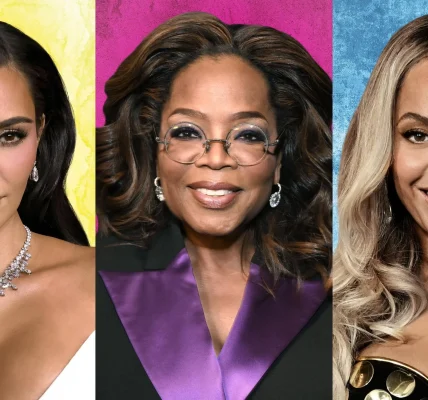

By midweek, minor celebrity incidents can take on a life of their own. Fans are no longer passive observers; they quickly pick sides, debating, commenting, and amplifying stories across social media. What might have started as a small misstep, wardrobe choice, or ambiguous comment can rapidly become a trending conversation as audiences layer opinions, memes, and interpretations onto the narrative.
This dynamic is fueled by selective engagement. Online communities filter which moments are worth attention, often prioritizing relatability, humor, or emotional impact over raw newsworthiness. A celebrity’s tweet, post, or appearance that resonates with a group of fans can ignite debates that reach wider audiences, shaping public perception before traditional media even reports on it.
Once fans align with a position — defending, critiquing, or satirizing — the narrative accelerates. Hashtags, memes, and shared commentary create momentum, transforming minor incidents into culturally significant moments. The speed of amplification means that celebrities, publicists, and media outlets often have to respond strategically, even if the original event was relatively small.
This trend highlights the power of audience-driven storytelling. Public reaction often dictates which controversies survive, what context is emphasized, and how the celebrity is ultimately perceived. The collective judgment of fans and online communities effectively edits the narrative, turning what could have been fleeting into a defining cultural moment.
Ultimately, minor celebrity events gain traction not because of their inherent importance but because of the way audiences engage with them. Fans’ quick decisions to pick sides, comment, and share transform these moments into trending debates, illustrating how modern celebrity culture is increasingly shaped by audience participation rather than media control.