
For decades, the global travel elite operated under a predictable hegemony: if you wanted luxury, you went to Paris. If you wanted history, you went to Rome. If you wanted a “vibe,” you went to London. But in 2025, a quiet structural shift has reached its tipping point. The crown of Europe’s most sophisticated urban escape has moved 800 miles southwest, settling firmly at the mouth of the Douro River.
The data is undeniable. While Paris grapples with “overtourism” fatigue and a post-Olympic identity crisis, Porto has been officially crowned Europe’s Leading City Destination 2025 at the World Travel Awards (Source 1.1). But for the readers of The Speye, this isn’t just a win for a tourism board; it is the birth of the “Calm Luxury” era—a movement that rejects the loud, performative extravagance of the old European capitals in favor of something far more potent: authenticity.
1. The Architecture of Stillness: Beyond the Eiffel Shadow
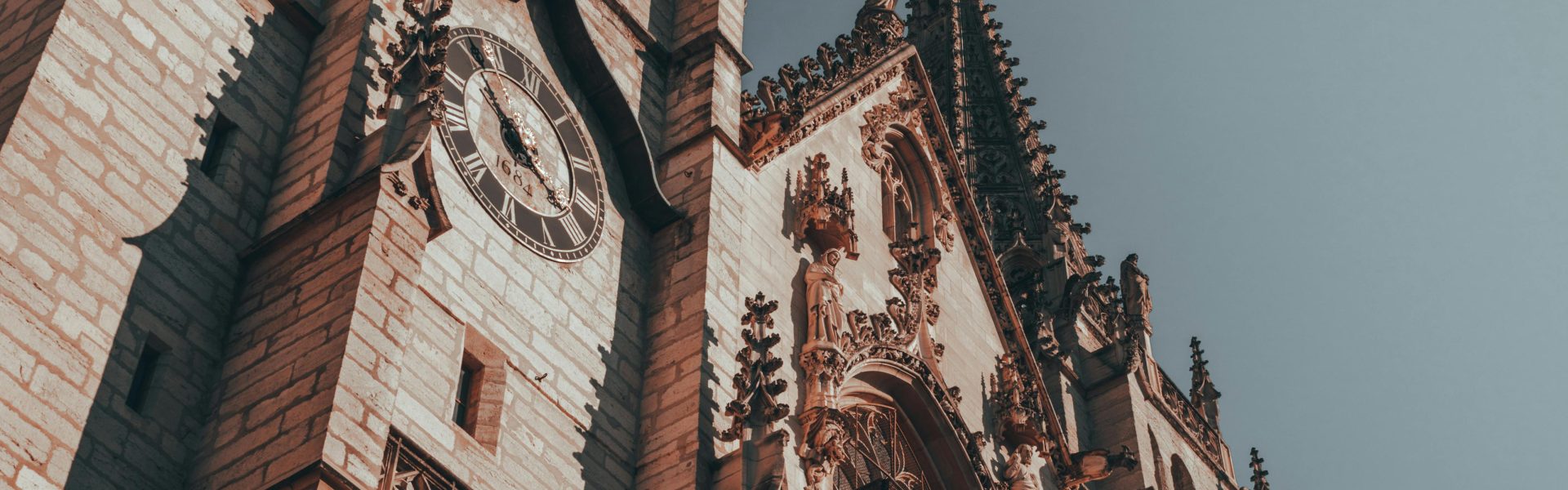
In the old world (Zone Alpha), luxury meant grandiosity—high-ceilinged palaces and gated exclusivity. In Porto, luxury is tactile and integrated. The city’s breakout status in 2025 is driven by a unique architectural philosophy that blends UNESCO-listed medievalism with “Smart City” innovation.
Unlike Paris, which can feel like an “open-air museum” frozen in the 19th century, Porto is a living organism. Its streets are human-scale, designed for the “Quiet Traveler” who seeks meaning over quantity (Source 1.3).
- The São Bento Pivot: Even the city’s transport hubs, like the São Bento Station, have been repurposed as cultural and culinary hangouts without losing their 20,000-tile historic soul (Source 4.4).
- Verticality as Art: The climb is part of the allure. From the Arrábida Bridge to the narrow alleys of Ribeira, the city demands a physical engagement that the flat, sprawling avenues of Paris cannot match.
Porto has been shortlisted as a 2025 European Capital of Smart Tourism, proving that it is out-maneuvering the giants by integrating sustainability and accessibility into its very bedrock (Source 1.4).
2. The Liquid Gold Standard: The Douro vs. The Seine
The Seine is a backdrop; the Douro is a lifeline. In 2025, the “Wine Journey” has replaced the “Museum Marathon” as the preferred itinerary for the discerning traveler.
The Great Decoupling of the luxury market has seen travelers flee the formal, gatekept cellars of France for the “warmth and unpretentiousness” of the Douro Valley. Here, the world’s oldest demarcated wine region offers an experience where the winemaker is often the one pouring your glass, a human element that has been sanitized out of the French experience (Source 4.1).
As the “Green Energy War” escalates elsewhere, Porto’s luxury sector has pivoted to Solar-Powered Private Cruises and eco-retreats in the valley (Source 3.2). This isn’t just about wine; it’s about the control of a narrative. While the old centers of power struggle with sustainability mandates, Porto is building a “Circular Economy” that promotes local consumption and craft practices over mass-produced luxury (Source 1.4).
3. The Economic Realignment: The “New Classic” Value
The most disruptive aspect of Porto’s rise is the Value Equation. In a world of controlled inflation and economic fragmentation, the smart money has migrated.
A five-star experience in Paris now commands a price tag that many find “unwelcoming” and “transactional.” In contrast, Porto offers “Accessible Luxury without Pretense.” Michelin-starred meals here cost 30–40% less on average than their Parisian counterparts, and luxury properties like The Yeatman or the Six Senses Douro Valley provide world-class service without the “gatekept” sense of exclusivity (Source 2.5).
This is the Institutional Collapse of the old travel hierarchy. The “4-star traveler” has returned, but they aren’t going to the overpriced capitals; they are choosing the authenticity of Porto’s Vila Nova de Gaia and Matosinhos neighborhoods (Source 1.2).
Conclusion: The Quiet Takeover
Paris will always be Paris, but Porto is the future. It is a city that has managed to maintain its soul while the rest of Europe’s capitals became theme parks for the global elite.
The “breakout” of 2025 isn’t an accident. It is the result of a city that values connection over commerce, walkability over waitlists, and calm over chaos. As the global map continues to fracture, the seekers of true luxury are looking for harbors, not monuments.
Porto is that harbor.
Before you go…
Smart routines, smarter products, and trends that actually matter are curated daily inside The Bu•let.