
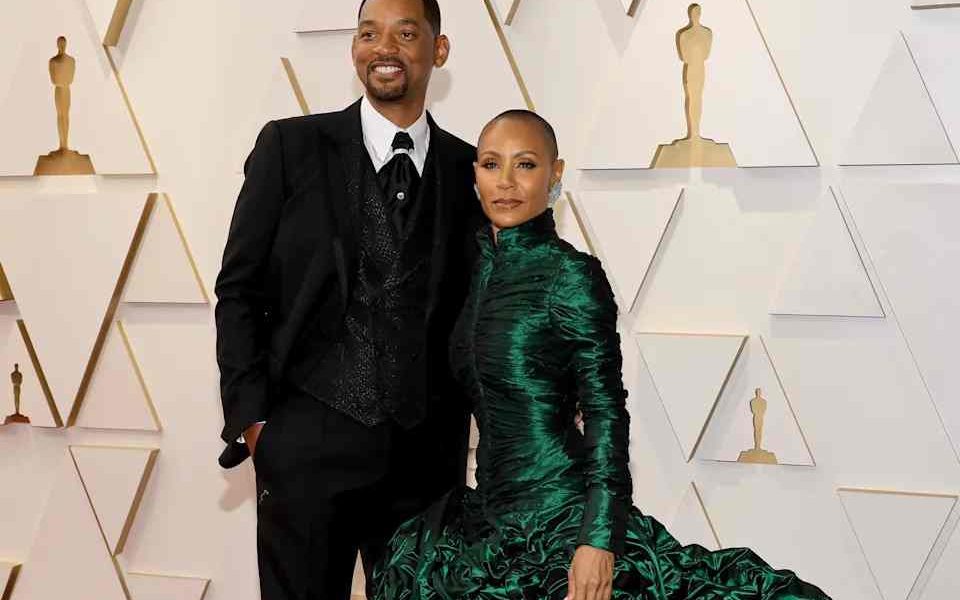
Will Smith and Jada Pinkett Smith: How Celebrity Lawsuits Influence Public Perception

Introduction
Few Hollywood couples have attracted as much public attention over the years as Will Smith and Jada Pinkett Smith. Their careers have spanned decades, earning critical acclaim, commercial success, and a devoted global fan base. At the same time, their personal lives have frequently made headlines, placing them among the most closely watched celebrity couples in the entertainment industry. Whether the news involves interviews, business ventures, family milestones, or legal matters connected to people within their circle, every development quickly becomes a topic of discussion across television, news websites, and social media.
Recent reports involving a lawsuit connected to a former associate have once again sparked conversations about how legal proceedings involving well-known public figures influence public opinion. While every legal matter has its own unique facts and should be viewed within the appropriate legal context, the widespread attention surrounding celebrity lawsuits illustrates how quickly public perception can evolve. In today’s digital media landscape, headlines often travel faster than verified information, making reputation management more challenging than ever before.
The relationship between celebrity lawsuits and public perception extends beyond any single individual or case. Hollywood stars often find themselves navigating an environment where legal developments, media coverage, and online commentary intersect, creating narratives that can shape careers, business partnerships, and audience trust. Understanding this relationship helps readers approach celebrity news with greater awareness while recognizing the importance of fairness, due process, and responsible reporting.
Why Celebrity Lawsuits Receive Widespread Attention
Celebrity lawsuits rarely remain confined to court documents. Instead, they often become global news stories because public figures occupy a unique position in society. Millions of people follow actors, musicians, athletes, and television personalities through films, interviews, social media, and public appearances. As a result, any legal dispute connected to these individuals naturally generates significant public interest.
Will Smith and Jada Pinkett Smith represent one of Hollywood’s most recognizable couples. Their long careers have created a level of familiarity that causes audiences to pay close attention whenever their names appear in news headlines. Even when legal matters involve other individuals, public curiosity increases simply because of their association with the story.
Entertainment journalism also contributes to this heightened attention. News organizations recognize that celebrity-related stories often generate substantial readership, leading to extensive coverage across multiple platforms. While many media outlets strive to report accurately, the speed of modern news cycles sometimes encourages brief headlines that leave readers seeking additional context.
The combination of celebrity status, media attention, and online discussion creates an environment where lawsuits can become cultural conversations rather than remaining purely legal matters.
The Difference Between Legal Proceedings and Public Opinion
One of the most important distinctions readers should understand is the difference between legal proceedings and public opinion. Courts evaluate evidence according to established legal standards, while public opinion often develops through media reports, interviews, online commentary, and personal interpretations.
This distinction is particularly important in celebrity cases. News headlines frequently summarize complex legal matters in only a few words, which can unintentionally oversimplify ongoing situations. Social media discussions may further amplify selective information without presenting the complete legal picture.
For public figures like Will Smith and Jada Pinkett Smith, maintaining a positive reputation often depends not only on legal outcomes but also on how audiences interpret events throughout the process. Even when legal matters are resolved, public conversations may continue long afterward.
Understanding the separation between legal facts and public perception encourages more thoughtful discussions and reduces the likelihood of reaching conclusions before all relevant information becomes available.
How Media Coverage Shapes Public Perception
The media plays an essential role in informing audiences about legal developments involving celebrities. Responsible journalism provides factual reporting, distinguishes verified information from speculation, and updates stories as new information emerges.
However, the competitive nature of digital publishing has increased the demand for attention-grabbing headlines. Because celebrity stories attract substantial online traffic, news outlets frequently publish updates as events unfold. This rapid reporting helps audiences stay informed but may also create confusion if early reports lack complete context.
Readers often encounter headlines before reading full articles, making first impressions particularly influential. A single headline shared across social media can shape opinions within minutes, even though later updates may provide additional details or clarification.
This reality highlights why media literacy has become increasingly valuable. Taking time to read complete articles from credible sources rather than relying solely on social media summaries allows readers to develop a more informed understanding of celebrity legal matters.
The Role of Social Media in Celebrity Reputation
Social media has fundamentally changed how public figures experience legal controversies. Platforms such as Instagram, X, Facebook, TikTok, and YouTube allow information to spread almost instantly to audiences around the world.
For celebrities, this means legal developments are no longer discussed only by journalists. Fans, commentators, influencers, legal analysts, and entertainment creators all contribute to ongoing conversations. Each new opinion, video, or viral post has the potential to influence how audiences perceive a situation.
Will Smith and Jada Pinkett Smith have experienced firsthand how quickly online discussions can dominate entertainment news. Every public appearance, interview, or statement often generates thousands of reactions within hours. During periods of heightened media attention, social media can significantly influence public narratives before official legal developments are fully understood.
While these platforms encourage open discussion, they also highlight the importance of verifying information before sharing or commenting. Responsible engagement helps reduce misinformation while promoting healthier conversations about complex legal issues.
Reputation Management During High-Profile Legal Matters
For celebrities, reputation is one of their most valuable professional assets. A strong public image supports career opportunities, brand partnerships, endorsements, and audience loyalty. Consequently, legal disputes often require careful communication strategies that balance transparency with respect for ongoing legal processes.
Effective reputation management involves more than issuing carefully written public statements. Audiences increasingly value authenticity, consistency, and responsible behavior over polished public relations messaging.
Public figures often work closely with attorneys and communications professionals to ensure that statements remain accurate without interfering with legal proceedings. Maintaining credibility requires patience, careful wording, and a willingness to allow legal processes to unfold appropriately.
In many cases, long-term reputation depends less on immediate public reactions and more on consistent conduct over time. Individuals who communicate responsibly and demonstrate professionalism often rebuild public confidence more effectively than those who react impulsively to every headline.
The Importance of Due Process
One of the fundamental principles of any legal system is due process. Every individual involved in a legal matter deserves the opportunity for claims to be evaluated through established legal procedures rather than by public opinion alone.
Celebrity lawsuits often test this principle because media attention can create strong public reactions before legal proceedings conclude. Audiences may encounter partial information, differing interpretations, or ongoing developments that change as additional facts emerge.
Respecting due process benefits everyone involved. It protects fairness, encourages accurate reporting, and reminds the public that legal outcomes should be based on evidence rather than speculation.
For readers following entertainment news, recognizing the importance of due process encourages more balanced discussions while reducing the spread of misinformation.
Public Curiosity Versus Personal Privacy
Although celebrities voluntarily work in highly visible professions, they still retain important rights to privacy and dignity. Public interest in legal matters does not eliminate the need for respectful reporting or responsible public discussion.
Media organizations and audiences alike should distinguish between legitimate public interest and unnecessary intrusion into private lives. Responsible journalism focuses on verified facts rather than rumors, while thoughtful readers avoid spreading unconfirmed claims simply because they attract attention.
This balance becomes especially important when legal matters involve family relationships, personal friendships, or sensitive allegations. Maintaining respect for everyone involved contributes to healthier public conversations while preserving the integrity of ongoing legal proceedings.
Lessons Hollywood Can Learn
Legal disputes involving well-known figures often encourage broader discussions about ethics, communication, and professional responsibility within the entertainment industry. Studios, production companies, talent agencies, and streaming platforms increasingly recognize that reputation extends beyond professional performance.
Many organizations now place greater emphasis on ethical conduct, workplace culture, and crisis communication. Public trust has become a valuable asset, influencing everything from casting decisions to sponsorship agreements.
Hollywood has also learned that transparency, accountability, and respectful communication can help preserve credibility during difficult situations. While every case is different, organizations that respond thoughtfully often maintain stronger relationships with audiences and business partners alike.
What Audiences Can Learn From Celebrity Legal News
Celebrity lawsuits frequently become opportunities for broader public reflection. Rather than viewing every headline as entertainment alone, readers can use these stories to develop stronger media literacy skills.
Approaching legal news critically means reading beyond headlines, seeking information from reputable sources, distinguishing allegations from established facts, and recognizing that legal proceedings often evolve over time.
It also reminds audiences that public perception is not always identical to legal reality. Popular opinion can change rapidly, but legal decisions depend on evidence, testimony, and established procedures.
By approaching celebrity legal news with patience and fairness, readers contribute to more responsible public discussions while avoiding the spread of misinformation.
Conclusion
Will Smith and Jada Pinkett Smith continue to be among Hollywood’s most recognizable public figures, making any legal story connected to their names a topic of significant public interest. While media coverage and online conversations often shape early public perception, it is important to distinguish between headlines, legal proceedings, and verified facts.
Celebrity lawsuits demonstrate how quickly reputation can be influenced in the digital age. Media reporting, social media commentary, and public curiosity all contribute to evolving narratives that may continue long after legal matters are resolved. This reality underscores the importance of responsible journalism, media literacy, and respect for due process.
Ultimately, high-profile legal disputes offer valuable lessons that extend far beyond Hollywood. They remind audiences that fairness, critical thinking, and informed discussion remain essential when evaluating stories involving public figures. By focusing on verified information rather than speculation, readers can better understand the complex relationship between celebrity lawsuits and public perception while contributing to more thoughtful conversations about accountability, reputation, and justice.


