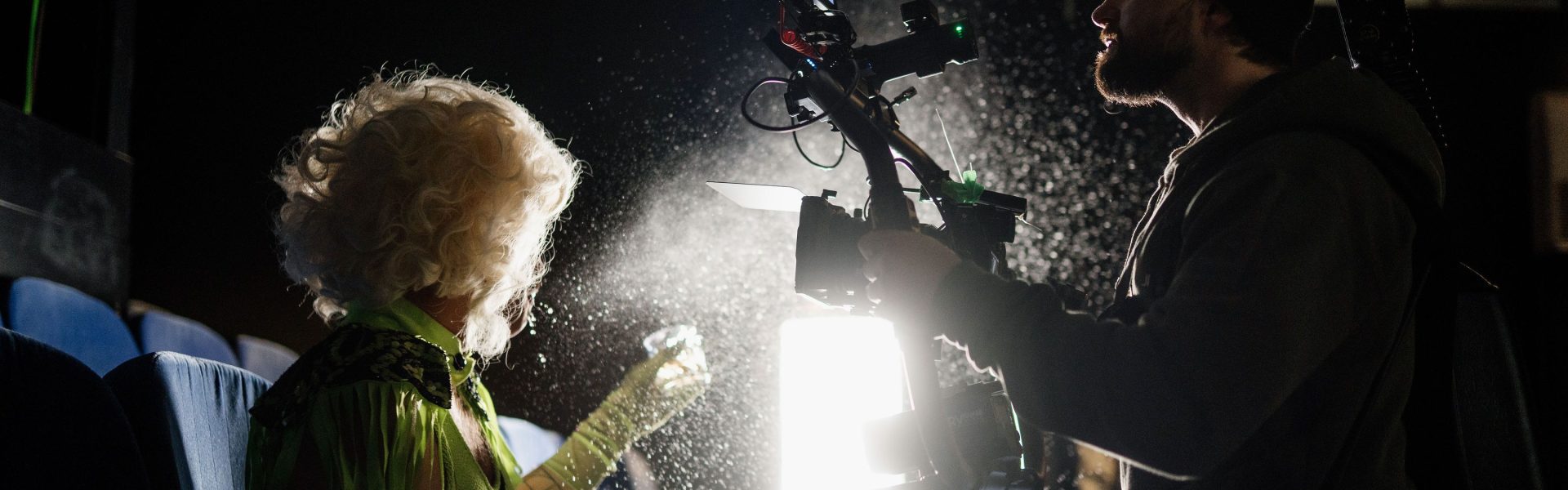

Celebrity culture has always been about more than talent. Great actors, musicians, athletes, and entertainers capture public attention through their work, but what often keeps audiences invested is something deeper—the story surrounding the person. Every successful public figure becomes part of an ongoing narrative, and in today’s media landscape, that narrative may be just as important as any movie, album, or television appearance.
Humans are naturally drawn to stories. Long before newspapers, television, or social media existed, people shared narratives to understand the world around them. Stories help explain success, failure, conflict, growth, and change. Modern celebrity culture taps into this same psychological tendency. Rather than simply following famous individuals, audiences often become invested in the journeys those individuals represent.
This is why celebrities are rarely discussed only in terms of their latest project. Conversations often focus on career comebacks, personal milestones, creative reinventions, rivalries, friendships, philanthropic efforts, and business ventures. These ongoing storylines create emotional connections that extend beyond entertainment itself.
Media psychology suggests that people build stronger relationships with public figures when they perceive a coherent narrative. Audiences are more likely to remember someone’s journey than a single achievement. A breakthrough performance introduces a celebrity, but the story of overcoming challenges, evolving creatively, or reaching new goals keeps people interested over time.
One reason narratives are so powerful is that they provide continuity. Entertainment moves quickly, with new movies, songs, and viral moments appearing almost every day. A compelling personal story gives audiences a reason to continue following someone between projects. Instead of disappearing during career breaks, celebrities remain relevant because their larger journey continues.
Social media has transformed how these narratives develop. Previously, magazines, television interviews, and entertainment reporters largely controlled celebrity storytelling. Today, public figures communicate directly with audiences through videos, photos, podcasts, and personal updates. This direct access allows celebrities to shape their own stories while giving fans a greater sense of connection.
However, direct communication also increases expectations. Audiences often want regular updates about careers, creative projects, and personal milestones. Maintaining public interest now involves balancing visibility with authenticity. Celebrities who share too little may struggle to remain relevant, while those who share too much risk diminishing the sense of curiosity that keeps audiences engaged.
Many successful public figures understand the importance of evolution within their narrative. Rather than repeating the same image throughout their careers, they embrace growth and reinvention. Each new chapter adds depth to their public identity while allowing audiences to experience change alongside them.
Celebrities such as Taylor Swift, Ryan Reynolds, and Zendaya have built long-lasting careers partly because their public narratives continue to evolve. Whether through artistic growth, business ventures, philanthropy, or new creative challenges, each has developed a story that extends beyond individual projects.
The entertainment industry actively recognizes the value of narrative as well. Film studios, publishers, sports organizations, and music labels often introduce performers through compelling backstories that help audiences understand who they are and what motivates them. These stories make new talent feel more relatable while encouraging emotional investment.
Another important psychological factor is identification. People often see parts of themselves in celebrity journeys. Stories about perseverance, resilience, creativity, ambition, or personal transformation resonate because they reflect universal human experiences. Audiences are inspired not only by success but also by the challenges overcome along the way.
Narratives also help explain career transitions. When actors become directors, musicians launch businesses, or athletes pursue philanthropy, audiences are more likely to support these changes if they fit naturally within an established personal story. A clear narrative creates continuity even as careers evolve.
Media coverage contributes significantly to this process. Entertainment journalism frequently frames events within larger storylines rather than treating them as isolated news. A new role may be described as a comeback, an entrepreneurial venture as a new chapter, or an award as the culmination of years of dedication. These narrative structures make celebrity news easier for audiences to follow and remember.
Fans themselves play an increasingly active role in expanding celebrity narratives. Online discussions, documentaries, interviews, podcasts, and fan-created content often connect separate events into larger stories. Communities analyze interviews, revisit older performances, and speculate about future directions, turning celebrity culture into an ongoing conversation rather than a series of disconnected headlines.
At the same time, strong narratives require authenticity. Modern audiences are increasingly skeptical of stories that appear overly manufactured or inconsistent. Public figures who remain genuine in their communication tend to build deeper trust, allowing their narratives to grow naturally over time rather than relying solely on publicity campaigns.
The rise of streaming platforms and global audiences has also made storytelling more international. Celebrities now connect with fans across cultures, making personal narratives an important bridge that transcends language and geography. Shared human experiences often resonate regardless of where audiences live.
Ultimately, people do not simply follow celebrities because they are famous. They follow the stories that those celebrities represent—stories of ambition, creativity, resilience, reinvention, and growth. These narratives create emotional connections that keep audiences invested long after a movie premieres or an album reaches the top of the charts.
In today’s entertainment world, talent may open the door to fame, but a compelling narrative is often what keeps that door open. Behind every enduring celebrity is not just a successful career, but a story audiences want to keep following.
References
- American Psychological Association – Psychology of Media and Human Behavior
- Pew Research Center – Social Media and Digital Culture Research
- Harvard Business Review – Personal Branding and Reputation Research
- The Hollywood Reporter – Celebrity Culture and Entertainment Industry Coverage
- Variety – Entertainment Business and Audience Trends
- National Institutes of Health – Research on Storytelling, Identity, and Human Psychology