
There was a time when celebrity couples were almost expected to coordinate. Matching color palettes, mirrored silhouettes, and clearly styled “his and hers” moments were once a staple of red carpets and paparazzi shots alike. Dressing in sync signaled unity, polish, and a shared public narrative. Lately, though, that visual harmony has started to disappear. More and more celebrity couples are stepping out in looks that feel intentionally mismatched—and it’s not accidental.
This shift reflects a broader move away from performative coupledom. In an era where audiences are increasingly skeptical of anything that feels overly curated, coordinated outfits can read as staged rather than romantic. When two people dress independently, it signals autonomy. The relationship doesn’t need visual reinforcement; it exists without explanation. That independence feels modern, especially as public figures become more protective of their private lives.
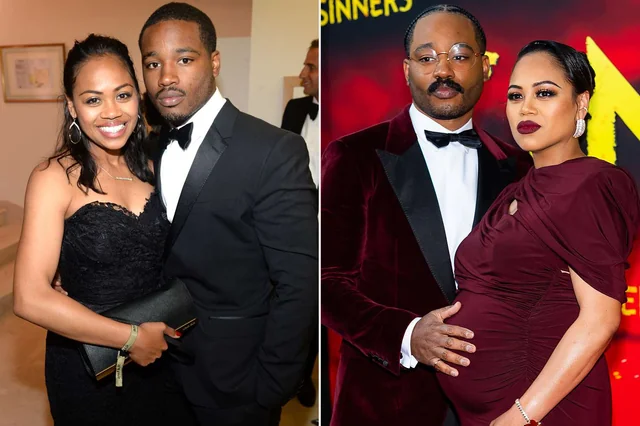
Fashion itself has changed, too. Style today is less about cohesion and more about point of view. Individual expression holds more cultural value than symmetry. One partner in tailored minimalism and the other in relaxed streetwear no longer feels discordant—it feels honest. The contrast creates interest, suggesting two fully formed identities choosing to coexist rather than blend into one aesthetic.
There’s also a gender dynamic at play. Traditional couple styling often reinforced rigid roles: the man neutral and understated, the woman styled as the focal point. As those norms erode, so does the expectation that couples should visually “match.” Now, each person’s look can operate on its own terms, without hierarchy or alignment. The result is a more equal visual narrative, where both styles matter independently.
Celebrity culture’s relationship with control has evolved as well. In the past, synchronized dressing was often driven by stylists and image strategy. Today’s most influential couples seem less interested in a unified brand and more interested in authenticity. Mismatched outfits suggest that they didn’t plan the moment together—and that lack of orchestration reads as confidence.
Off-duty appearances have especially accelerated this trend. Airport sightings, casual dinners, and street-style photos show couples dressing for their own comfort and mood rather than for a shared image. One person might lean polished while the other stays deliberately undone. That tension mirrors real-life relationships more than perfectly paired looks ever did, making these moments feel relatable despite the fame.
This change also reflects a broader cultural emphasis on boundaries. Being a couple no longer means merging identities. Dressing separately becomes a visual shorthand for emotional autonomy and mutual respect. It says: we are together, but we are not the same. That message resonates in a time when individuality is prized and codependence is questioned.
Ultimately, celebrity couples aren’t rejecting harmony—they’re redefining it. Instead of matching outfits, harmony shows up in confidence, ease, and the absence of explanation. The most compelling couples today aren’t styled to look alike. They’re styled to look like themselves. And in a culture that’s learning to value authenticity over aesthetics, that kind of mismatch feels exactly right.