Egypt’s Power Play in the Middle East Crisis: Why Cairo Is Pushing for Political Solutions Before Regional Tensions Explode

Introduction: Egypt’s Diplomatic Moment in a Changing Middle East
As conflicts and political tensions continue to reshape the Middle East, Egypt is positioning itself as one of the region’s most important diplomatic players. Cairo’s recent calls for political solutions highlight its effort to prevent local conflicts from developing into a wider regional crisis.
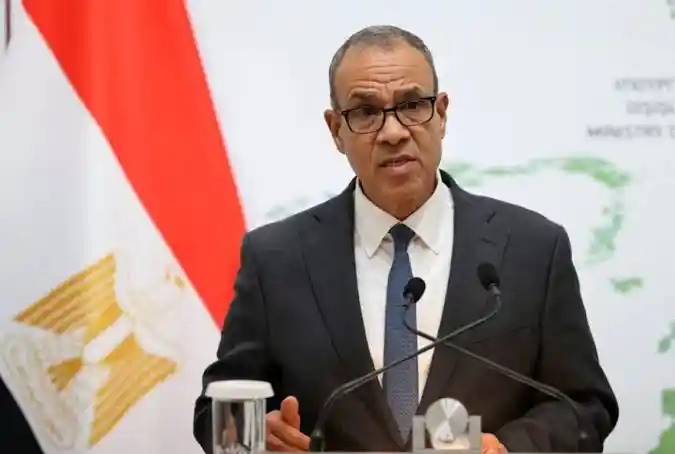
Egyptian Foreign Minister Badr Abdelatty’s discussions with U.S. envoy Steve Witkoff reflect the growing importance of Egypt’s role in international efforts to manage regional instability. The talks come at a time when governments across the Middle East are increasingly concerned about the possibility of expanding conflicts, worsening humanitarian situations, and economic disruption.
For Egypt, diplomacy is not simply a matter of international reputation. It is closely connected to national security, economic stability, and regional influence. As a country located at the crossroads of Africa, Asia, and the Middle East, Egypt is directly affected by instability in neighboring areas.
A larger regional conflict could create serious consequences for Cairo. It could threaten border security, reduce tourism, affect foreign investment, disrupt trade routes, and increase pressure on an economy already facing significant challenges.
This explains why Egypt continues to advocate for political solutions instead of military escalation. Cairo believes that lasting stability requires negotiations, international cooperation, and addressing the political issues that fuel conflicts.
However, Egypt’s diplomatic efforts also represent a broader strategic calculation. By acting as a mediator, Cairo strengthens its position as a regional power capable of communicating with different sides of Middle Eastern disputes.
The question now is whether Egypt’s diplomatic influence will be enough to prevent tensions from spreading further.
Egypt’s Historical Role as a Regional Mediator
Egypt’s influence in Middle Eastern politics comes from decades of diplomatic experience. As the Arab world’s most populous country and one of its oldest political centers, Egypt has historically played a major role in shaping regional affairs.
Cairo’s diplomatic importance grew significantly after the signing of the 1979 peace treaty with Israel, making Egypt the first Arab country to establish formal peace with Israel. Since then, Egypt has frequently participated in negotiations involving Arab states, Israel, and international organizations.
This history has given Egypt a unique position. Unlike countries that rely primarily on military power or economic influence, Egypt has often used diplomacy as a tool to maintain regional relevance.
Its geographic location also strengthens its role. Egypt shares a border with Gaza, controls the strategically important Suez Canal, and maintains relationships with both Western allies and Arab partners.
Because of this position, Egypt often becomes involved when regional crises require communication between opposing sides.
However, mediation in the Middle East is extremely challenging. Conflicts are influenced by competing interests, historical grievances, domestic politics, and international rivalries. A mediator can encourage dialogue, but cannot force countries or groups to accept agreements.
Despite these limitations, Egypt continues to view diplomacy as one of its strongest sources of regional influence.
Why Cairo Is Pushing for Political Solutions
Egypt’s emphasis on political solutions is driven by both regional concerns and national interests.
Cairo understands that military escalation can quickly create consequences beyond the original conflict. A crisis that begins in one location can affect neighboring countries through security threats, refugee movements, economic instability, and increased political tensions.
For Egypt, preventing a wider conflict is a strategic priority.
The country’s economy is particularly vulnerable to regional instability. Tourism, foreign investment, energy markets, and international trade all depend on perceptions of security and stability.
The Suez Canal is another important factor. The waterway is one of the world’s most important shipping routes, connecting global trade between Europe and Asia. Any prolonged regional disruption could affect shipping activity and create economic pressure for Egypt.
This economic reality explains why Cairo consistently supports diplomatic engagement. Stability is not only a foreign policy goal—it is essential for Egypt’s domestic economic interests.
At the same time, Egypt’s diplomatic position reflects its desire to maintain influence in a rapidly changing Middle East. Regional politics are becoming increasingly competitive, with different powers seeking greater influence.
By promoting negotiations and acting as a communication channel, Egypt reinforces its importance as a regional power.
The Importance of Egypt-U.S. Relations
The discussions between Egyptian officials and U.S. representatives demonstrate the continued importance of the relationship between Cairo and Washington.
The United States considers Egypt a key partner in Middle Eastern security because of its geographic location, military capabilities, and diplomatic connections.
For Washington, Egypt provides valuable access to regional conversations. Cairo’s relationships with different actors allow it to serve as an important diplomatic bridge during periods of tension.
For Egypt, maintaining cooperation with the United States provides security, economic, and political benefits. American support has played a significant role in Egypt’s defense partnership and international position.
However, the relationship is also complex. Egypt and the United States have occasionally disagreed over regional policies and political issues.
Despite these differences, shared interests have encouraged continued cooperation, especially during major regional crises.
The current situation highlights why both countries continue to prioritize communication. Preventing wider instability requires coordination among governments with influence in the region.
Egypt’s Diplomatic Balancing Strategy
Egypt’s foreign policy is built around maintaining relationships with multiple partners.
Cairo cooperates with the United States while maintaining ties with Arab governments and other regional powers. This approach allows Egypt to preserve flexibility and avoid becoming completely dependent on any single alliance.
This balancing strategy has become increasingly important as competition grows between regional and global powers.
The Middle East today is shaped by multiple interests involving security, energy, trade, and political influence. Egypt must carefully navigate these relationships while protecting its own national priorities.
Its diplomatic approach is based on the belief that influence comes not only from military strength but also from the ability to communicate and negotiate.
This strategy has helped Egypt remain an important player in regional affairs.
However, it also creates challenges. Acting as a mediator requires trust from different sides, and maintaining neutrality can become difficult when conflicts become more intense.
Egypt’s ability to succeed will depend on whether it can continue balancing competing pressures while maintaining credibility as a diplomatic actor.
Egypt’s Diplomatic Moment in a Changing Middle East
As conflicts and political tensions continue to reshape the Middle East, Egypt is positioning itself as one of the region’s most important diplomatic players. Cairo’s recent calls for political solutions highlight its effort to prevent local conflicts from developing into a wider regional crisis.
Egyptian Foreign Minister Badr Abdelatty’s discussions with U.S. envoy Steve Witkoff reflect the growing importance of Egypt’s role in international efforts to manage regional instability. The talks come at a time when governments across the Middle East are increasingly concerned about the possibility of expanding conflicts, worsening humanitarian situations, and economic disruption.
For Egypt, diplomacy is not simply a matter of international reputation. It is closely connected to national security, economic stability, and regional influence. As a country located at the crossroads of Africa, Asia, and the Middle East, Egypt is directly affected by instability in neighboring areas.
A larger regional conflict could create serious consequences for Cairo. It could threaten border security, reduce tourism, affect foreign investment, disrupt trade routes, and increase pressure on an economy already facing significant challenges.
This explains why Egypt continues to advocate for political solutions instead of military escalation. Cairo believes that lasting stability requires negotiations, international cooperation, and addressing the political issues that fuel conflicts.
However, Egypt’s diplomatic efforts also represent a broader strategic calculation. By acting as a mediator, Cairo strengthens its position as a regional power capable of communicating with different sides of Middle Eastern disputes.
The question now is whether Egypt’s diplomatic influence will be enough to prevent tensions from spreading further.
Egypt’s Historical Role as a Regional Mediator
Egypt’s influence in Middle Eastern politics comes from decades of diplomatic experience. As the Arab world’s most populous country and one of its oldest political centers, Egypt has historically played a major role in shaping regional affairs.
Cairo’s diplomatic importance grew significantly after the signing of the 1979 peace treaty with Israel, making Egypt the first Arab country to establish formal peace with Israel. Since then, Egypt has frequently participated in negotiations involving Arab states, Israel, and international organizations.
This history has given Egypt a unique position. Unlike countries that rely primarily on military power or economic influence, Egypt has often used diplomacy as a tool to maintain regional relevance.
Its geographic location also strengthens its role. Egypt shares a border with Gaza, controls the strategically important Suez Canal, and maintains relationships with both Western allies and Arab partners.
Because of this position, Egypt often becomes involved when regional crises require communication between opposing sides.
However, mediation in the Middle East is extremely challenging. Conflicts are influenced by competing interests, historical grievances, domestic politics, and international rivalries. A mediator can encourage dialogue, but cannot force countries or groups to accept agreements.
Despite these limitations, Egypt continues to view diplomacy as one of its strongest sources of regional influence.
Why Cairo Is Pushing for Political Solutions
Egypt’s emphasis on political solutions is driven by both regional concerns and national interests.
Cairo understands that military escalation can quickly create consequences beyond the original conflict. A crisis that begins in one location can affect neighboring countries through security threats, refugee movements, economic instability, and increased political tensions.
For Egypt, preventing a wider conflict is a strategic priority.
The country’s economy is particularly vulnerable to regional instability. Tourism, foreign investment, energy markets, and international trade all depend on perceptions of security and stability.
The Suez Canal is another important factor. The waterway is one of the world’s most important shipping routes, connecting global trade between Europe and Asia. Any prolonged regional disruption could affect shipping activity and create economic pressure for Egypt.
This economic reality explains why Cairo consistently supports diplomatic engagement. Stability is not only a foreign policy goal—it is essential for Egypt’s domestic economic interests.
At the same time, Egypt’s diplomatic position reflects its desire to maintain influence in a rapidly changing Middle East. Regional politics are becoming increasingly competitive, with different powers seeking greater influence.
By promoting negotiations and acting as a communication channel, Egypt reinforces its importance as a regional power.
The Importance of Egypt-U.S. Relations
The discussions between Egyptian officials and U.S. representatives demonstrate the continued importance of the relationship between Cairo and Washington.
The United States considers Egypt a key partner in Middle Eastern security because of its geographic location, military capabilities, and diplomatic connections.
For Washington, Egypt provides valuable access to regional conversations. Cairo’s relationships with different actors allow it to serve as an important diplomatic bridge during periods of tension.
For Egypt, maintaining cooperation with the United States provides security, economic, and political benefits. American support has played a significant role in Egypt’s defense partnership and international position.
However, the relationship is also complex. Egypt and the United States have occasionally disagreed over regional policies and political issues.
Despite these differences, shared interests have encouraged continued cooperation, especially during major regional crises.
The current situation highlights why both countries continue to prioritize communication. Preventing wider instability requires coordination among governments with influence in the region.
Egypt’s Diplomatic Balancing Strategy
Egypt’s foreign policy is built around maintaining relationships with multiple partners.
Cairo cooperates with the United States while maintaining ties with Arab governments and other regional powers. This approach allows Egypt to preserve flexibility and avoid becoming completely dependent on any single alliance.
This balancing strategy has become increasingly important as competition grows between regional and global powers.
The Middle East today is shaped by multiple interests involving security, energy, trade, and political influence. Egypt must carefully navigate these relationships while protecting its own national priorities.
Its diplomatic approach is based on the belief that influence comes not only from military strength but also from the ability to communicate and negotiate.
This strategy has helped Egypt remain an important player in regional affairs.
However, it also creates challenges. Acting as a mediator requires trust from different sides, and maintaining neutrality can become difficult when conflicts become more intense.
Egypt’s ability to succeed will depend on whether it can continue balancing competing pressures while maintaining credibility as a diplomatic actor.
References and Sources
Anadolu Agency – International News Coverage
Egypt Ministry of Foreign Affairs
U.S. Department of State – Bureau of Near Eastern Affairs
United Nations – Middle East Updates and Statements
International Crisis Group – Middle East and North Africa Analysis