
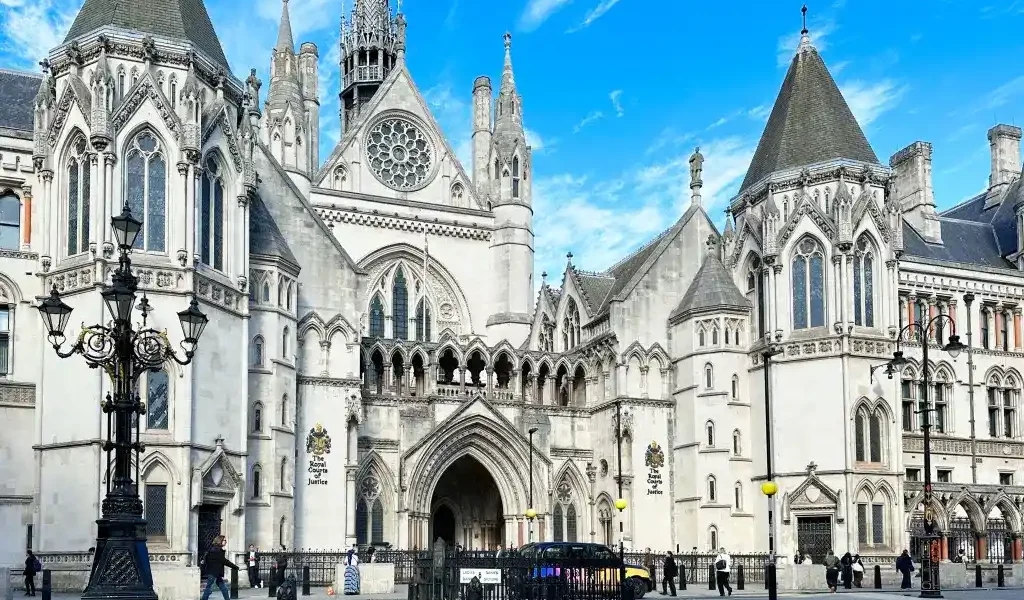
The Human Cost of Celebrity Scandals: Why an Anonymous Celebrity Is Fighting to Protect His Family and Privacy

Celebrity scandals often make headlines because of the famous people involved, but behind the public controversy are real families, personal struggles, and complicated legal questions. A recent case in the United Kingdom has highlighted the human cost of celebrity scandals after an unidentified public figure, known in court as PPT, fought to prevent news organizations from revealing his identity and publishing allegations of sexual misconduct.
The anonymous celebrity argued that public exposure could have devastating consequences for his mental health, personal safety, and relationship with his son. His legal team presented evidence of two suicide attempts and serious psychiatric concerns, asking the High Court to permanently prevent publication of his identity and the allegations against him.
However, on November 3, 2026, the High Court rejected his request for a permanent injunction. The judge granted permission to appeal, meaning the celebrity’s identity remains protected temporarily while the legal process continues. He denies the allegations, and the court did not determine whether they were true.
The case has attracted widespread attention because it raises important questions about celebrity privacy, freedom of the press, mental health, family protection, and accountability. It also demonstrates how a legal controversy can extend beyond a public figure’s career and affect the people closest to them.
Why Is an Anonymous Celebrity Fighting to Protect His Identity?
The legal dispute involves an unidentified British celebrity who sought an injunction against Independent Television News (ITN) and Guardian News and Media, the publisher of The Guardian. Both organizations wanted to publish findings from investigations into allegations concerning his conduct toward younger women.
The allegations reportedly involve claims that the celebrity used his public profile, influence, and professional standing to establish contact with younger women and pursue inappropriate or exploitative sexual activity. Some of the alleged conduct could amount to criminal offenses if proven.
The individual, identified only as PPT in the court proceedings, strongly denies wrongdoing. His legal representatives argued that identifying him publicly could cause severe psychological harm and place his life at risk.
The request for anonymity was not simply presented as an effort to protect a celebrity reputation. His lawyers emphasized the potential consequences of public exposure, including the possibility of further suicide attempts and damage to his family relationships.
The court was therefore required to consider two competing interests: the individual’s right to privacy and protection, and the media organizations’ right to report on matters they considered important to the public.
Ultimately, the judge decided that a permanent injunction would impose an exceptionally serious restriction on freedom of expression. Nevertheless, the temporary reporting restrictions remain in place while the appeal process is considered.
Celebrity Mental Health and the Psychological Impact of Public Scandals
One of the most significant details in the anonymous celebrity case concerns his mental health.
During the legal proceedings, his lawyers described two suicide attempts following the news organizations’ requests for his response to the allegations. They also presented evidence of psychiatric treatment, hospitalization, and assessments by medical professionals.
The judge recognized that the prospect of publication would substantially increase the celebrity’s risk of suicide. However, the court concluded that the legal system should not use a permanent publication ban as the solution to his psychiatric vulnerability. The judgment placed responsibility for managing his immediate safety with the mental health services already providing care.
This distinction is important. Celebrity status does not make someone immune to psychological distress, and public criticism can create an extremely difficult environment for anyone facing a major controversy.
For celebrities, negative headlines can quickly become widespread discussions across television, online publications, and social media. A private situation can turn into a public debate involving millions of people, many of whom have little understanding of the complete circumstances.
The pressure may involve professional uncertainty, damaged relationships, public criticism, and the fear of losing control over personal information.
However, mental health concerns should never be used to dismiss allegations or silence people who report inappropriate behavior. A fair discussion must recognize the wellbeing of everyone involved, including the individual accused and those who have made allegations.
How Could the Celebrity Scandal Affect His Relationship With His Son?
Beyond the legal arguments, one of the most personal concerns raised in court involved the celebrity’s relationship with his son.
His legal team argued that revealing his identity and publishing the allegations could have serious consequences for his family life. They raised concerns about how his deteriorating mental health and potential hospitalization could affect his relationship with his child.
Family privacy is an important issue in celebrity controversies because children and relatives may become exposed to public attention without choosing to participate in it.
When a parent becomes the subject of a major news investigation, children may encounter difficult conversations at school, online comments, or questions from people who know their family. Even when they are not directly involved in the allegations, they can experience emotional and social consequences.
For this reason, protecting children from unnecessary media exposure is an important consideration when reporting on public figures.
Nevertheless, the court had to balance these concerns against the public interest in reporting serious allegations. The possibility that a news story could affect family relationships did not automatically justify preventing journalists from publishing their investigation.
The case highlights an ongoing challenge in celebrity journalism: how can the media report on matters of public interest while minimizing unnecessary harm to family members who are not directly involved?
Why Did the UK High Court Reject the Celebrity’s Injunction Request?
The High Court’s decision was based on the balance between privacy rights and freedom of expression.
The celebrity wanted a permanent injunction preventing ITN and The Guardian from identifying him and publishing their findings. His lawyers argued that publication could expose him to a serious risk of death and interfere with his rights to life, protection from degrading treatment, and respect for private and family life.
The media organizations presented a different argument. Their legal representatives maintained that the investigation concerned alleged misconduct by a prominent public figure and that the findings were relevant to a wider public discussion about power, influence, and inappropriate behavior.
They also described the investigation as extensive, involving more than 100 people and over 30 firsthand sources, alongside documentary material.
The judge acknowledged the seriousness of the mental health risks but concluded that granting the requested permanent injunction would create an exceptionally serious interference with the media organizations’ freedom of expression.
Importantly, the court was not conducting a criminal trial to determine whether the sexual misconduct allegations were true. It was deciding whether the proposed reporting should be legally prevented.
The celebrity was granted permission to appeal, and his identity remains protected under the temporary restrictions while that process continues.
This means the legal dispute is not the same as a finding of guilt or innocence. The allegations remain disputed, and the individual continues to deny them.
Celebrity Privacy Versus the Public’s Right to Know
The anonymous celebrity case has renewed discussion about how much privacy public figures should receive when facing serious allegations.
Famous individuals often have less control over their public image than private citizens. Their relationships, professional decisions, and personal circumstances can attract attention from journalists and audiences.
However, being famous does not mean someone automatically loses every right to privacy. Family relationships, medical information, and the identities of children deserve careful consideration.
At the same time, public recognition and influence do not provide automatic protection from legitimate investigative journalism.
When allegations involve possible misuse of professional influence or inappropriate conduct toward younger individuals, the public may have a legitimate interest in understanding the investigation.
The difficult part is finding a balance between responsible reporting and unnecessary exposure.
Journalists must distinguish verified information from allegations, give individuals an opportunity to respond, and avoid presenting disputed claims as established facts. Audiences also have a responsibility to avoid spreading speculation or treating unproven allegations as a final judgment.
The case demonstrates why celebrity privacy and freedom of the press remain important but sometimes competing principles.
The Women Behind the Sexual Misconduct Allegations Deserve to Be Heard
Although much of the attention has focused on the celebrity’s identity and mental health, the experiences of the women connected to the allegations are also an important part of the story.
According to the media organizations’ arguments in court, their investigation involved multiple women who described alleged inappropriate or exploitative behavior. Their representatives also raised concerns about the emotional consequences experienced by some of the women involved.
These accounts have not been established as true through the injunction proceedings. The celebrity denies the allegations, and it is important to preserve that distinction.
However, allegations of sexual misconduct deserve serious and responsible examination. People who report inappropriate behavior may face emotional pressure, unwanted public attention, and difficult decisions about whether to speak openly.
In celebrity-related cases, the influence and recognition of the person accused can make public discussions especially complicated.
Responsible reporting should not automatically assume guilt, but it should also avoid dismissing allegations simply because they involve a prominent individual.
The public deserves accurate information, and people who come forward deserve to be treated with dignity and fairness.
How Social Media Makes Celebrity Scandals More Complicated
Social media has changed how celebrity scandals develop and how audiences respond to them.
News that once appeared in newspapers or television broadcasts can now spread through short videos, online discussions, screenshots, and entertainment accounts within minutes.
This speed can create problems when a story involves an ongoing legal dispute.
First, important context can disappear. A complicated High Court ruling may be reduced to a headline that does not explain whether allegations have been proven or whether an appeal is possible.
Second, speculation can spread quickly. When a celebrity’s identity is protected by reporting restrictions, online users may attempt to guess who the individual is. This can unfairly affect people who have no connection to the case and potentially undermine legal protections.
Third, family members may become targets of unwanted attention. Children and relatives should not be treated as part of the entertainment surrounding a celebrity controversy.
Readers should therefore rely on established news organizations, check the dates of reports, and distinguish between allegations, legal arguments, and judicial findings.
Celebrity news can be engaging without turning serious legal matters into online harassment or speculation.
What Happens Next in the Anonymous Celebrity Legal Case?
The next important development concerns the appeal process.
Although the High Court rejected the request for a permanent injunction on November 3, 2026, the celebrity was granted permission to appeal. His identity remains protected temporarily while the legal proceedings continue.
The appeal could further examine the balance between the individual’s rights and the media organizations’ freedom to publish information they consider to be in the public interest.
For now, the reporting restrictions mean that readers should not assume the celebrity’s identity can be legally disclosed.
The case also raises wider questions about how courts should approach future disputes involving privacy, serious allegations, mental health risks, and investigative journalism.
Regardless of the eventual outcome, the proceedings have highlighted the complicated responsibilities facing public figures, journalists, and audiences when sensitive allegations become part of a major news story.
The Human Cost of Celebrity Scandals Goes Beyond Headlines
The anonymous celebrity’s legal battle is a reminder that celebrity scandals are rarely just about reputation and public image. They can involve complicated family relationships, mental health concerns, the experiences of people making allegations, and important questions about media freedom.
The celebrity’s concerns about his privacy and personal safety deserve serious consideration. Equally, the allegations being investigated deserve responsible attention, particularly when they involve potential misuse of influence and power.
Neither compassion nor accountability requires audiences to make assumptions about what happened before the relevant facts have been established.
Ultimately, the human cost of celebrity scandals reminds us that public figures are people, but so are the individuals who come forward with allegations. Fairness means recognizing the rights and dignity of everyone involved while allowing legitimate investigations and legal processes to continue.
As the appeal process develops, the case will remain an important example of the difficult relationship between celebrity privacy, public interest, mental health, and freedom of the press.


