The days of automatic fan forgiveness are fading. Once, a carefully worded apology or a high-profile charity appearance could quickly restore a celebrity’s image. Now, public sympathy is no longer guaranteed. Audiences are more discerning, more skeptical, and increasingly unwilling to reward surface-level gestures with grace.
Several factors contribute to this shift. Social media has amplified context, making past actions and patterns more visible than ever. Screenshots, archived posts, and online debates create a persistent record that can contradict a celebrity’s present narrative. Fans evaluate behavior over time, not just a single moment, and inconsistencies are often unforgiving.
Another factor is cultural literacy. Audiences are more aware of public relations strategies and celebrity rebrands. They can spot scripted apologies, staged photo ops, and performative acts of charity. When gestures appear calculated rather than genuine, sympathy evaporates. Authenticity matters more than optics.
The phenomenon is visible across platforms like Instagram, X, and TikTok. Comments, likes, and engagement metrics show that audiences are quick to withdraw support if they sense inauthenticity. Viral backlash can escalate in hours, leaving little room for PR recovery.

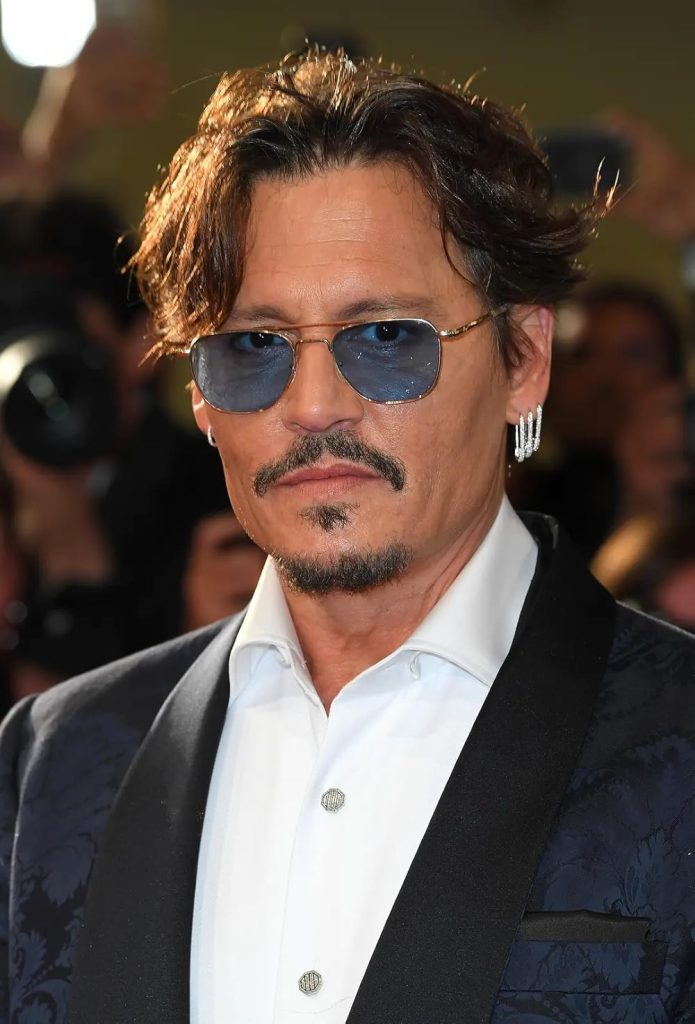

Even previously beloved figures like Kanye West, Johnny Depp, and Shia LaBeouf illustrate this trend. Their controversies highlight how repeated missteps, inconsistent messaging, or perceived entitlement can erode goodwill permanently. Fans now hold celebrities accountable over the long term, rather than granting grace based solely on fame or talent.
This evolution signals a broader cultural shift. Sympathy is no longer an entitlement; it’s earned. Public opinion is a transaction of trust. Transparency, humility, and consistent behavior are increasingly required to maintain audience support.
In practical terms, celebrities must now prioritize genuine engagement over staged gestures. Deleting problematic posts, issuing scripted apologies, or leveraging influencer campaigns may mitigate damage, but they rarely restore trust fully. Long-term credibility requires consistent, accountable behavior—both online and offline.
Ultimately, when celebrities lose the public’s grace, it’s a reflection of evolving audience standards. Fans are no longer passive observers—they are active participants in shaping reputations, and they expect authenticity over convenience.