
As the world continues to monitor infectious diseases, H5 bird flu (avian influenza) remains a major concern for animal health, agriculture, wildlife, and, in rare cases, human health. What began as outbreaks among wild birds has now evolved into a global panzootic affecting poultry, mammals such as dairy cows, and sporadic human infections. Understanding the latest developments and risks is critical for public awareness and preparedness.
In this article, we break down the current situation with H5 bird flu, including its spread, impact on animals and humans, what health agencies are saying, and why ongoing surveillance is vital.
What Is H5 Bird Flu?
H5 bird flu refers to a group of influenza A viruses — particularly strains of H5 highly pathogenic avian influenza (HPAI) — that circulate primarily among birds. The most concerning subtype in recent years has been H5N1, known for its high mortality in poultry and its ability to infect other species.
These viruses don’t usually infect humans, but sporadic human cases have occurred following close contact with infected animals or contaminated environments.
Widespread Infection in Wild Birds
One of the key features of the current H5 bird flu situation is the widespread presence of the virus in wild bird populations around the globe.
According to the U.S. Centers for Disease Control and Prevention (CDC), H5 bird flu viruses continue to circulate broadly among wild birds worldwide.
This is important because migratory wild birds often carry avian influenza viruses across continents, spreading the virus to new regions and potentially into domestic poultry or other animal populations.
Outbreaks in Poultry and Dairy Cows
The impact of H5 bird flu is not limited to wildlife — it has caused major outbreaks in poultry and, notably, in U.S. dairy cow herds.
Poultry
H5 bird flu has led to widespread outbreaks in commercial poultry herds, resulting in the culling of millions of birds. These outbreaks pose serious economic and food security challenges for farmers and industry sectors.
The virus spreads rapidly among densely housed birds, and infections often lead to very high mortality.
Dairy Cows
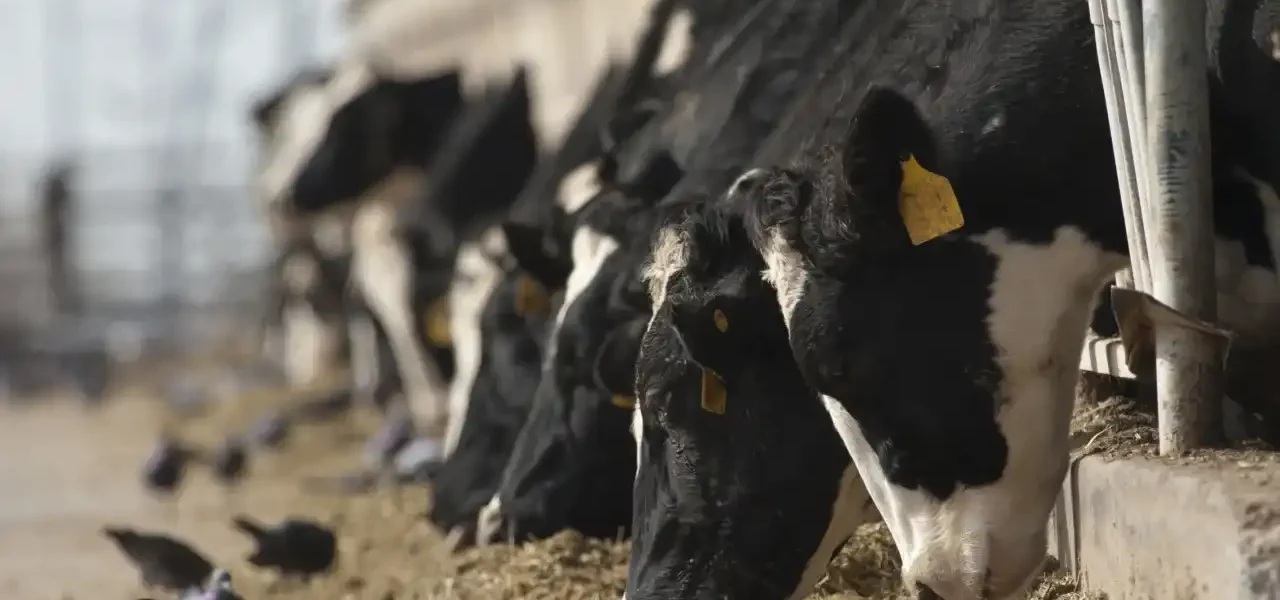
In an unprecedented development, H5N1 has spilled over into dairy cows in the United States. This has been confirmed by the U.S. Department of Agriculture (USDA) and the CDC, which report that hundreds of dairy herds in multiple states have tested positive for avian influenza A(H5N1).
The spread to livestock represents a significant shift in how the virus is behaving, raising concerns about new transmission pathways and expanded host range. Some experts warn that these events demonstrate the virus’s evolving potential to infect mammals beyond traditional avian hosts.
Sporadic Human Cases in the United States and Worldwide
While H5 bird flu mainly affects animals, sporadic human infections continue to occur — most often linked to direct contact with infected birds or other animals.
In the United States
CDC reports indicate that multiple human cases of H5 bird flu have been identified in the U.S. over the past several years, primarily in people who had close, unprotected exposure to infected poultry or dairy cows.
In the U.S., these infections have generally led to mild illness, though some cases have resulted in hospitalization and, in rare instances, fatality. CDC continues to monitor the situation closely, using national influenza surveillance systems to track infections in people and protect public health.
Globally
Worldwide, human infections with H5N1 have been reported sporadically since the late 1990s, with occasional deaths linked to the virus. The World Health Organization (WHO) notes that nearly every case has involved close contact with infected birds or contaminated environments, and sustained human-to-human transmission has not been documented.
Why the Public Health Risk Is Considered Low — for Now
Despite the widespread presence of H5 bird flu in animals and the occurrence of individual human cases, major health authorities maintain that the current general public risk remains low.
According to CDC guidance:
- The immediate risk to the general public in the U.S. is low at present.
- People with close or prolonged contact with infected animals or contaminated environments — such as farmworkers, poultry handlers, or veterinarians — are at higher risk.
- Person-to-person transmission has not been identified, and no outbreaks in humans linked to sustained human transmission have occurred.
Because of this, ordinary activities — such as shopping, socializing, and general travel — do not currently pose a significant risk for bird flu infection among the general population.
How Experts Are Monitoring and Responding
Health and agricultural agencies around the world continue to work collaboratively to monitor and respond to H5 bird flu:
One Health Approach
The CDC, USDA, and other partners use a One Health approach, recognizing the interconnected nature of human, animal, and environmental health. This strategy enables coordinated surveillance, rapid reporting, and targeted responses across sectors.
Surveillance and Testing
Enhanced surveillance systems track influenza viruses in birds, mammals, and humans. Data collected from farms, wild bird populations, and healthcare providers help scientists detect outbreaks and understand virus behavior in real time.
Worker Safety and Prevention
Health agencies emphasize personal protective equipment (PPE) and biosecurity measures for people who work with birds or livestock to reduce the risk of exposure and infection.
What This Means for the Future
Although a wide-scale human outbreak has not occurred, the evolving nature of H5 bird flu highlights the need for continued vigilance.
Public health experts warn that:
- Ongoing virus circulation among wild birds and multi-species spillovers increase opportunities for viral mutation.
- Continued infections in mammals such as dairy cows could pose new risks that require careful study and response.
- Preparedness planning is essential in case the virus adapts further to humans or expands its transmission routes.
For now, scientists and international health organizations agree that continuing surveillance, protecting animal health, and minimizing risky exposures are critical strategies to keep the risk to people low while addressing the animal health impacts of H5 bird flu.
Final Thoughts
The H5 bird flu situation in 2026 reflects both longstanding challenges and new developments in infectious disease dynamics.
With the virus widespread in wild birds, causing significant outbreaks in poultry and dairy cattle, and leading to occasional human infections, monitoring and prevention efforts have never been more important.
At the same time, health authorities reassure the public that broad community risk remains low — though continued vigilance is vital as researchers work to track and mitigate this evolving threat.