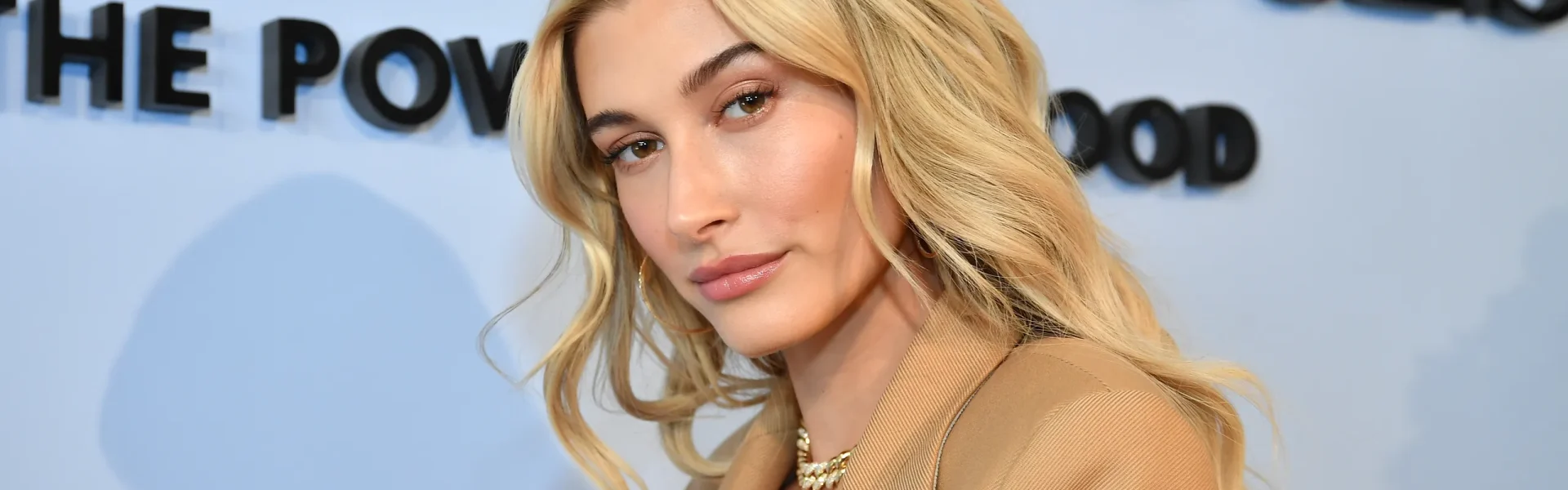

Celebrity culture has always attracted attention, but today the fascination extends far beyond movies, music, or television. Increasingly, audiences are becoming interested in fame itself—the routines, relationships, habits, and everyday moments that exist behind the public image.
What makes this shift unique is that people are no longer just following what celebrities create. They are following how celebrities live. From travel routines and wellness habits to friendships and personal milestones, everyday life has become part of the entertainment experience.
Social media has transformed access in ways previous generations could never have imagined. Platforms now offer a constant stream of behind-the-scenes content, creating the feeling that audiences are getting a closer look at public figures than ever before. The result is a culture where personality often attracts as much attention as professional work.
Celebrities such as Hailey Bieber, Paul Mescal, and Sabrina Carpenter frequently become topics of conversation not only because of their projects, but because of their lifestyles, public appearances, and personal stories.
Part of the appeal comes from relatability. Audiences enjoy seeing moments that feel human and unscripted. Even though celebrities live extraordinary lives, glimpses of ordinary experiences help create a sense of connection and familiarity.
At the same time, fame itself has become a subject of curiosity. People are interested in how public figures handle visibility, pressure, criticism, and success. The mechanics of celebrity have become almost as compelling as the entertainment they produce.
Another factor is aspiration. Celebrity lifestyles often represent a combination of wealth, access, influence, and freedom that many people find intriguing. Watching how public figures spend their time offers a window into worlds that feel both distant and accessible.
Digital platforms have also blurred the line between public and private life. Personal updates, candid photos, and direct audience interaction make celebrity culture feel more immediate than traditional media ever did.
This constant visibility creates an ongoing narrative. Instead of following a single project, audiences follow evolving stories that unfold in real time across multiple platforms. Every appearance, interview, or social media post becomes another chapter.
Ultimately, society’s fascination with celebrity lives reflects more than curiosity about famous people. It reveals an interest in status, success, identity, and the human stories behind public personas. In a world where access has never been easier, watching fame has become a form of entertainment all its own.
References
- Pew Research Center – Social Media and Celebrity Culture
- Reuters Institute – Digital Audience Behavior
- Harvard Business Review – The Attention Economy
- BBC Culture – Celebrity and Modern Media
- MIT Technology Review – Social Platforms and Influence
- Psychology Today – Fame, Identity, and Public Fascination