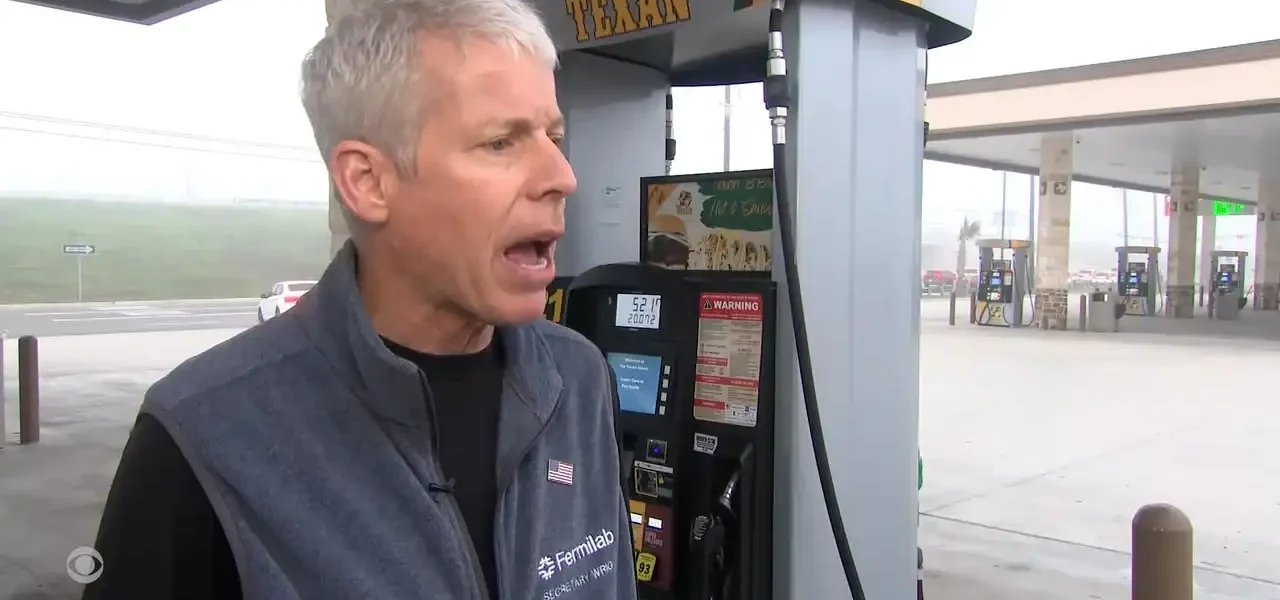

As global energy markets continue to fluctuate, a former Pentagon spokesperson has issued a stark warning: consumers should brace for a potential surge in gas prices. With the geopolitical landscape in constant motion, supply chain disruptions, and inflationary pressures, experts are closely monitoring factors that could affect fuel costs in the months ahead.
This article explores the prediction, examines underlying causes for potential gas price hikes, the broader economic implications, and strategies consumers can use to manage the impact at the pump.
The Prediction: Who and What
The warning comes from a former Pentagon spokesperson, who, while not directly involved in energy policy, has expertise in assessing global threats, international supply chains, and national security factors that indirectly affect the energy market.
According to the spokesperson:
- Market volatility and geopolitical tensions are key drivers of potential price spikes.
- Supply chain interruptions, particularly in oil-rich regions, could restrict fuel availability.
- Inflationary pressures in the U.S. and abroad may exacerbate price increases at the pump.
While specific figures have not been publicly released, the prediction has fueled debate among economists, industry analysts, and consumers alike.
Factors Driving Gas Price Increases
Several interrelated factors are contributing to concerns about rising gas prices.
1. Geopolitical Tensions
Global energy markets are highly sensitive to political events. Conflicts, trade disputes, or sanctions in oil-producing regions can disrupt supply and create market instability. Analysts point to:
- Political unrest in major oil-exporting countries
- Sanctions affecting energy trade
- Strategic reserves and military interventions impacting oil distribution
Even subtle disruptions can ripple through global supply chains, pushing gas prices upward.
2. Supply and Demand Dynamics
The balance between oil supply and consumer demand is a central determinant of price fluctuations. Recent trends include:
- Post-pandemic demand rebound as travel and commerce increase
- OPEC+ production adjustments affecting global output
- Seasonal demand spikes during summer driving months
These factors, combined with logistical challenges, can lead to short-term price volatility.
3. Inflationary Pressures
Rising inflation in the U.S. and other countries directly affects the cost of fuel. Factors include:
- Increased transportation costs for crude oil
- Higher refining and distribution expenses
- Currency fluctuations impacting import costs
As the general cost of living rises, gas prices often reflect these broader economic trends.
4. Environmental and Regulatory Policies
Policy decisions regarding energy production, carbon emissions, and renewable energy can indirectly influence gasoline costs. Examples include:
- Regulations limiting oil drilling or refining capacity
- Taxes on carbon emissions affecting fossil fuel pricing
- Incentives for alternative energy sources that shift market demand
While aimed at sustainability, such policies can create short-term upward pressure on conventional fuel prices.
Historical Context of Gas Price Surges
Historically, the U.S. has experienced several periods of significant gas price increases due to a combination of these factors:
- 1973 Oil Embargo: Triggered by geopolitical conflict, prices quadrupled.
- 2008 Financial Crisis: Oil hit record highs amid global economic uncertainty.
- 2020–2021 Pandemic Recovery: Sudden demand rebounds caused temporary price spikes.
The current warnings echo past patterns, suggesting that even moderate disruptions can have outsized effects on consumers.
Economic Implications of Rising Gas Prices
A jump in fuel costs affects more than just drivers filling up their tanks. Economic impacts can include:
1. Increased Transportation Costs
Higher gas prices translate to higher shipping and logistics expenses for goods and services, affecting everything from groceries to online retail.
2. Inflationary Ripple Effects
Rising energy costs often feed into broader inflation, affecting consumer purchasing power and household budgets.
3. Impact on Businesses
Small businesses with tight margins—such as delivery services, logistics firms, and manufacturing—may face increased operating costs, potentially passing expenses onto customers.
4. Policy and Monetary Response
Governments and central banks may adjust policies in response to rising energy prices, including interest rate changes, subsidies, or strategic reserve releases.
Expert Reactions
Economists and energy analysts have offered insights into the former Pentagon spokesperson’s prediction:
- Some agree that geopolitical risks and supply chain issues could lead to price volatility, particularly in the short term.
- Others caution that technological advancements, alternative energy adoption, and strategic reserves may mitigate extreme increases.
- Market observers emphasize that predictions are probabilistic, not deterministic, and that consumer behavior and industry responses can influence outcomes.
What Consumers Can Do
While market forces largely dictate fuel prices, consumers have strategies to manage costs:
1. Fuel Efficiency
- Using fuel-efficient vehicles or hybrid options
- Maintaining proper tire pressure and regular vehicle maintenance
2. Smart Driving Habits
- Reducing idling and aggressive acceleration
- Consolidating trips to minimize fuel usage
3. Alternative Transportation
- Using public transit or ride-sharing services
- Biking or walking for short trips
4. Monitoring Market Trends
- Staying informed on geopolitical developments and energy reports
- Planning travel and purchases around expected price trends
By combining proactive habits with strategic planning, consumers can reduce the financial impact of rising gas prices.
Potential Mitigation Measures
Governments and industry stakeholders can also take steps to alleviate potential gas price increases:
- Strategic Petroleum Reserve Releases: Temporarily increasing supply to stabilize markets.
- Incentivizing Renewable Energy: Reducing long-term reliance on oil and mitigating future volatility.
- Temporary Tax Adjustments: Adjusting fuel taxes or subsidies to ease immediate cost burdens on consumers.
These measures, however, are typically short-term and must be coordinated carefully to avoid unintended economic consequences.
Why This Matters
Fuel prices touch virtually every aspect of daily life, from commuting to shipping goods. Understanding potential price trends allows consumers, businesses, and policymakers to plan effectively.
The Pentagon spokesperson’s warning serves as a reminder of the interconnected nature of global energy markets, geopolitics, and domestic economic health. In a world where energy supply is influenced by conflict, trade policies, and technological shifts, proactive awareness is crucial.
Conclusion
The prediction from a former Pentagon spokesperson that gas prices may rise at the pump underscores the delicate balance of global energy markets. While the exact magnitude of any increase remains uncertain, historical trends, geopolitical developments, and economic pressures suggest that vigilance is warranted.
Consumers can take steps to mitigate the impact, businesses must plan for potential cost increases, and policymakers have tools to manage supply and demand. As global markets continue to evolve, staying informed will be key to navigating the challenges posed by fluctuating fuel prices.
Rising gas prices are more than a financial inconvenience—they are a reflection of global interdependence, economic pressures, and the strategic significance of energy resources in a rapidly changing world.