Political Dirt: Sir Keir Starmer Faces Backlash Over Allegations His Allies Paid Investigators to Dig Up Dirt on British Journalists

In political drama that reads more like a spy thriller than a typical Westminster scandal, UK Prime Minister Sir Keir Starmer is under intense scrutiny amid allegations that allies and affiliated groups paid for private investigators to dig up damaging information on British journalists. The controversy has triggered fierce criticism from across the political spectrum and raised urgent questions about press freedom, ethics in politics, and the integrity of democratic processes. (The Sun, 2026)
At the core of the controversy is Labour Together, a think tank linked to Starmer’s rise to leadership, which is accused of paying a U.S. public affairs firm to investigate journalists who reported critically on the organization and its funding. With mounting calls for a full inquiry and even for ministers to be sacked over the affair, this story is shaping up to be one of the most explosive political scandals in the UK in years.
In this article, we break down the controversy, explore the key players, explain the political fallout, and examine what this means for Starmer’s leadership and press freedom in Britain.
What Exactly Happened? A Breakdown of the Allegations
According to reports, Labour Together – a campaign group closely associated with Starmer – allegedly paid at least £36,000 to a U.S. public affairs and lobbying firm, APCO Worldwide, to investigate the personal “backgrounds and motivations” of certain British journalists (The Sun, 2026).
The investigation, reportedly commissioned in 2023, targeted journalists from prominent outlets including The Sunday Times after they published articles probing Labour Together’s finances and campaign funding. The accusations suggest that APCO went beyond routine media monitoring and attempted to dig dirt on reporters, including linking some — unfoundedly — to Russia.
The documents compiled in this investigation were circulated among senior figures, including some within the UK government sphere, and parts were even reportedly shared with GCHQ — which chose not to pursue any investigation based on them.
Critics argue that hiring a private firm to investigate journalists’ personal and professional lives crosses an ethical line and undermines the independence of the free press. Supporters of Starmer have maintained the group’s legal right to commission research — but that has done little to quell the public storm.
Key Figures and Their Roles
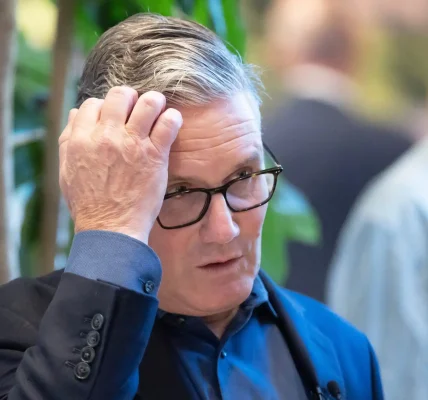
Sir Keir Starmer, Prime Minister of the United Kingdom
Starmer, leader of the Labour Party and prime minister, is at the center of the controversy because of his links to Labour Together — the group that commissioned the investigation. Although he has denied direct involvement, opponents argue that questions remain about what he knew and when.
Josh Simons, Cabinet Office Minister and Former Director of Labour Together
Simons, now a government minister, was reportedly the person who commissioned the investigation while serving as Labour Together’s director. He has attempted to distance himself from parts of the report that included questionable claims but remains a focal point of criticism.
Labour Together
This think tank played a key role in Starmer’s ascent to the leadership of the Labour Party. Now, it finds itself at the center of calls for scrutiny after the APCO contract surfaced. Critics accuse it of using political muscle to silence or discredit journalists examining its activities.
APCO Worldwide
A U.S.-based public affairs firm that was contracted to carry out the investigation. While APCO has not faced direct legal penalties, the ethical implications of its involvement remain hotly debated.
What Critics Are Saying: Backlash From All Sides
Conservative Politicians
Opposition MPs have been among the most strident critics, condemning what they describe as a “dirty smear campaign” and a threat to press freedom. Conservative chair Kevin Hollinrake said the inquiry raised significant concerns about undermining democratic norms and demanded full transparency.
Labour Backbenchers
Even within Starmer’s own party, there are dissenting voices. Some Labour MPs have called on the prime minister to launch an independent investigation or to distance his government from the actions of Labour Together. They have emphasized that transparency is critical to restoring trust.
Media Freedom Advocates
Press freedom groups and commentators have described the scandal as “creepy” and an unacceptable intrusion into journalistic independence. Broadcasters and commentators on news networks have highlighted how targeting journalists for reporting on political funding raises serious ethical alarms.
Government Response and Starmer’s Position
So far, the government has tried to contain the fallout without escalating tensions. Starmer himself has not resigned over the controversy and insiders say he remains focused on his agenda, which includes addressing the cost-of-living crisis and positioning Labour as a stable governing party.
However, Starmer has faced questions about whether he knew about the investigation before it became public and if so, why he did not take action sooner. Critics argue that even if he did not commission the investigation, senior allies acting on his behalf reflect his leadership’s ethical tone.
Why This Matters: Press Freedom and Democratic Norms
At the heart of this scandal is a fundamental question: What is the appropriate relationship between political power and the press?
Democracies depend on a free and independent press to investigate power, question authority, and hold leaders to account. When political actors appear to target journalists for their reporting, it sends a chilling message about accountability and transparency.
Journalists targeted in this controversy had been reporting on funding irregularities and transparency breaches involving Labour Together — stories that were part of the public interest. Critics argue that funding an investigation into those journalists’ backgrounds represents a disturbing attempt to intimidate or suppress critical reporting.
Even if no laws were broken, the ethical implications are significant: it raises questions about whether political actors have crossed lines that should remain untouchable in democratic practice.
Public Reaction: Outrage, Confusion, and Debate
Public reaction to the scandal has been strong and polarized. Social media platforms and political forums are abuzz with debate:
- Some view the affair as confirmation that political elites are increasingly willing to manipulate public narratives behind the scenes.
- Others see it as exaggerated or typical political brinkmanship designed to distract from real issues like the economy or public services.
Regardless of where individuals stand, what’s clear is this story isn’t going away anytime soon. The public’s demand for transparency and accountability will likely keep the controversy in headlines for weeks or even months.
Conclusion: A Scandal That Tests the Foundations of Democratic Politics
The ongoing allegations that allies of Sir Keir Starmer paid investigators to dig up dirt on journalists represent a serious political controversy with far-reaching implications. Whether it becomes a career-defining scandal or a footnote in UK politics will largely depend on how the government handles the pressure for transparency and accountability.
But one thing is certain: this controversy has brought into sharp focus the critical relationship between political power and the free press — a relationship that lies at the heart of democratic societies.
As calls for inquiry intensify and public scrutiny deepens, the world will be watching how Britain navigates this high-stakes clash of media freedom, political strategy, and ethical governance.
References
The Sun. (2026, February 15). Starmer allies paid US investigators to dig up dirt on British journalists. https://www.thesun.co.uk/news/38233558/starmer-allies-paid-investigators-british-journalists/
The Guardian. (2026, February 15). Labour Together investigation sparks calls for inquiry into journalists’ targeting. https://www.theguardian.com/politics/2026/feb/15/labour-together-thinktank-inquiry-calls-journalists-investigation-keir-starmer
Standard. (2026, February 15). Keir Starmer faces scrutiny over Labour Together media investigation. https://www.standard.co.uk/news/politics/keir-starmer-the-sunday-times-clive-lewis-government-anna-turley-b1271144.html
GB News. (2026, February 15). Labour torn apart after scandal targeting journalists exposed. https://www.gbnews.com/politics/labour-torn-apart-scathing-takedown-smear-campaign-journalists
ITV News. (2026, February 9). Keir Starmer faces mutinous MPs amid top aides’ resignation over scandal. https://www.itv.com/news/2026-02-09/keir-starmer-to-face-mutinous-mps-after-top-aides-exit-over-mandelson-scandal