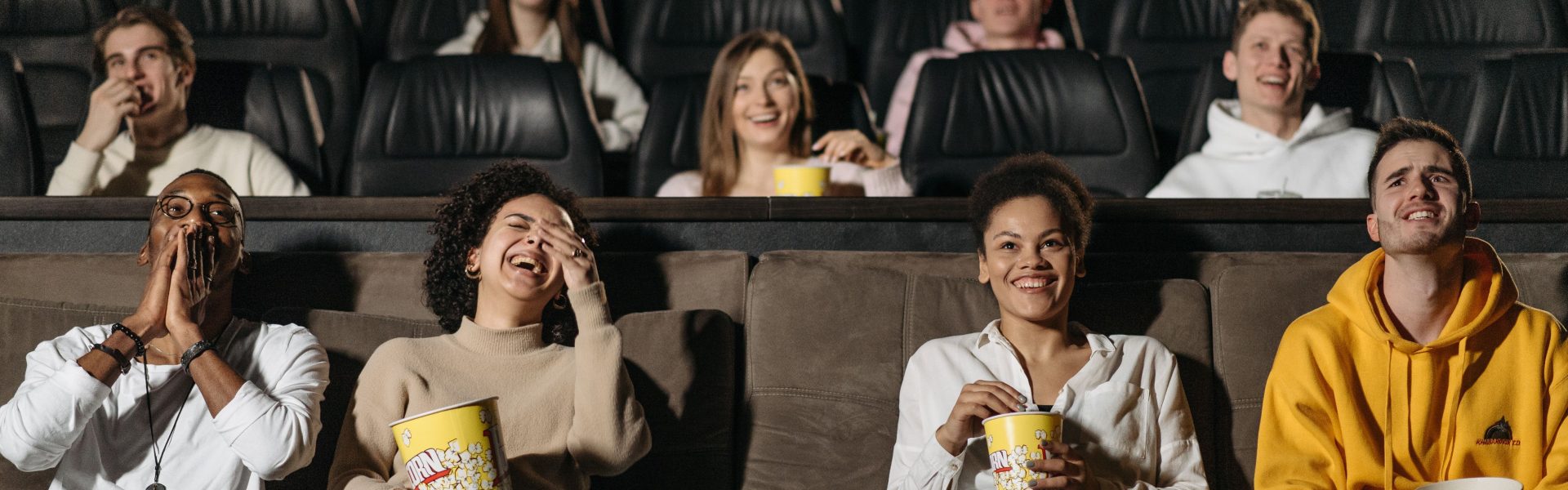

For generations, celebrity storytelling followed a simple pattern. Celebrities created the moments, entertainment companies shared the stories, and audiences watched from a distance.
Today, that relationship has changed.
Fans are no longer just observers of celebrity culture. They are becoming active participants who influence narratives, shape conversations, and contribute to how public figures are understood. Through social media, online communities, and digital platforms, audiences have become part of the storytelling process itself.
The modern celebrity story is no longer created by one person or one media outlet. It is built through a constant conversation between celebrities, fans, creators, and online communities.
This shift has transformed how fame works.
In the past, celebrities relied heavily on traditional interviews, magazines, television appearances, and public relations campaigns to shape their images. These channels allowed stars to carefully control how they were presented to audiences.
Now, every interaction can become part of a larger narrative.
A social media post, a comment, a public appearance, or a behind-the-scenes moment can quickly become a topic of discussion. Fans analyze details, share opinions, create theories, and sometimes influence how the wider public understands a celebrity’s journey.
Audiences have become storytellers themselves.
One of the biggest reasons for this change is the rise of digital communities. Fans gather online to discuss their favorite celebrities, analyze projects, share updates, and create content inspired by the people they follow.
These communities often develop their own language, traditions, and interpretations. They do not simply consume celebrity stories—they expand them.
A movie release, music project, or public appearance can become the starting point for thousands of conversations. Fans may discuss hidden meanings, fashion choices, interviews, relationships, career decisions, and personal growth.
These discussions can significantly influence public perception.
Social media platforms have made this participation immediate. In previous decades, audiences might wait for entertainment news coverage to learn more about celebrities. Today, conversations begin within seconds of a major moment happening.
This speed has changed how celebrities manage their public identities. A single moment can create excitement, generate support, or become a major controversy depending on how audiences respond.
The relationship between celebrities and fans has also become more interactive. Many public figures now communicate directly with followers through livestreams, comments, personal updates, and exclusive content.
This creates a stronger sense of connection. Fans often feel like they are following a journey rather than simply watching a finished product.
This emotional investment is one reason fan communities have become so powerful.
Audiences frequently support celebrities through career changes, new projects, personal challenges, and creative experiments. They become advocates who help spread messages, promote work, and introduce new audiences to their favorite stars.
The entertainment industry has recognized this shift. Studios, record labels, and brands increasingly understand that fan engagement is a major factor in success.
A project with a passionate community behind it often has greater momentum than one promoted only through traditional advertising.
This has changed marketing strategies across entertainment. Companies now focus on creating conversations rather than simply delivering announcements.
Behind-the-scenes content, interactive campaigns, fan events, and digital experiences are designed to make audiences feel involved.
The rise of fan participation is especially visible in franchise entertainment. Movies, television series, and fictional universes often continue growing because fans create theories, discussions, and creative content around them.
In many cases, audiences help keep stories alive long after their original release.
This phenomenon has also influenced celebrity careers. Public figures are increasingly aware that their relationship with fans is part of their long-term success.
A celebrity’s ability to build trust and maintain a community can become just as important as their professional achievements.
However, this new level of participation also creates challenges. When audiences become deeply involved in celebrity narratives, boundaries between public and private life can become complicated.
Fans may feel connected to celebrities, but maintaining healthy boundaries remains important for both public figures and audiences.
The most successful celebrities understand how to engage with fans while protecting personal privacy. They recognize that authenticity does not require sharing every detail of their lives.
Instead, it comes from creating genuine moments and meaningful connections.
The rise of audience participation also reflects a larger cultural change. People increasingly want to be involved in the things they care about. Whether it is entertainment, brands, communities, or creative projects, audiences are looking for opportunities to contribute.
They want to feel like they are part of something.
This is why modern celebrity storytelling has become a shared experience. A celebrity may begin the story, but audiences help shape how that story develops.
The future of fame will likely depend less on one-way communication and more on collaboration between creators and communities.
Celebrities are no longer only creating stories for audiences to watch.
They are creating stories that audiences help build.
In the digital age, fans are not simply following celebrity culture.
They are helping create it.
References
- Pew Research Center – Social Media and Digital Community Research
- Deloitte – Digital Media Trends and Consumer Engagement Research
- Harvard Business Review – Community Building and Consumer Engagement Insights
- Variety – Entertainment Industry and Audience Trends Coverage
- The Hollywood Reporter – Celebrity Culture and Entertainment Business Analysis
- Nielsen – Media Consumption and Audience Behavior Research