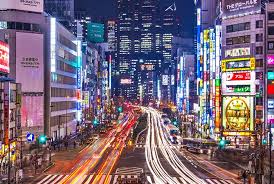

Travel has always held a unique allure. From ancient explorers charting unknown territories to modern wanderers seeking new experiences, the act of traveling taps into a deep human desire to explore, learn, and grow. But beyond the postcards and Instagram snapshots lies a profound transformative power that travel brings to those who embrace it fully.
At its essence, travel is more than just moving from one place to another—it’s an invitation to step outside of familiar routines, challenge preconceptions, and engage with the world in new and meaningful ways. Whether it’s a weekend getaway to a nearby town or a months-long expedition across continents, the act of travel encourages self-discovery, cultural appreciation, and a broader worldview.
In this exploration of travel’s impact, we will delve into how journeys enrich our lives, the evolving trends shaping modern travel, and how anyone can cultivate mindful travel experiences that leave lasting impressions.
The first and most immediate benefit of travel is the break it provides from daily life. Routine often breeds comfort but can also lead to stagnation and stress. Travel interrupts these patterns, inviting spontaneity and adventure. This interruption resets the mind, reduces stress, and fosters creativity. Many travelers report feeling mentally rejuvenated after just a few days away, as the brain benefits from novel stimuli and new environments.
Moreover, travel offers an unparalleled education in culture. Immersing oneself in a foreign place exposes travelers to different languages, customs, cuisines, and worldviews. This cultural exchange deepens empathy and understanding, qualities that are increasingly vital in a globally connected society. Experiencing how others live challenges assumptions and broadens perspectives, breaking down stereotypes and fostering tolerance.
For many, travel becomes a journey of self-discovery. Facing unfamiliar situations, navigating new cities, or communicating across language barriers nurtures resilience and adaptability. It pushes individuals to become more confident, resourceful, and open-minded. In essence, travel can act as a catalyst for personal growth, helping travelers learn not just about the world but about themselves.
The rise of technology has transformed how we travel, making it easier to plan, navigate, and share experiences. Apps provide instant access to maps, reviews, local tips, and language translations, empowering travelers to explore with greater confidence. Social media allows for the sharing of moments in real-time, creating virtual communities around shared passions for destinations and cultures.
Yet, the rise of digital connectivity also brings challenges. The constant urge to document every moment can detract from being fully present. Mindful travel—where one balances capturing memories with savoring experiences—is a growing trend encouraging travelers to immerse themselves deeply rather than superficially.
Sustainability has become a central concern in modern travel. The environmental impact of flying, overtourism, and resource consumption has sparked a movement toward responsible travel. Many travelers now seek eco-friendly accommodations, support local businesses, and prioritize experiences that respect and preserve natural and cultural heritage. This shift reflects a growing awareness that travel’s joy must be balanced with stewardship of the planet.
Adventure travel and wellness tourism are also shaping how people journey today. Hiking remote trails, practicing yoga in serene settings, or engaging in cultural rituals offer more than sightseeing—they nourish the body, mind, and spirit. These forms of travel reflect a desire for holistic experiences that promote well-being alongside exploration.
Travel’s economic impact is significant too. Tourism supports millions of jobs worldwide, fuels local economies, and fosters cross-cultural trade. However, balancing economic benefits with social and environmental responsibility remains an ongoing challenge for destinations.
The COVID-19 pandemic profoundly disrupted travel, forcing many to pause their wanderlust. Yet, it also sparked reflection on what meaningful travel truly means. As borders reopen, travelers are returning with renewed appreciation for human connection, nature, and the simple joys of discovery.
For those planning their next trip, a few principles can enhance the travel experience. First, approaching travel with curiosity and openness unlocks richer encounters. Engaging respectfully with local cultures, learning basic phrases, and seeking authentic experiences deepen connection.
Second, pacing travel to avoid rushing allows for immersion and relaxation. Instead of ticking off checklists, spending time in fewer places lets travelers absorb atmosphere and build memories.
Third, embracing flexibility prepares travelers for the inevitable surprises—weather changes, missed trains, or unexpected invitations—that often become the most treasured stories.
Finally, reflecting on travel experiences through journaling, photography, or conversations helps integrate insights and extend the benefits of travel beyond the journey itself.
Travel also strengthens relationships. Shared adventures with friends, family, or partners create lasting bonds. Navigating new experiences together fosters teamwork, communication, and shared joy.
In conclusion, travel is a powerful force for transformation. It breaks routines, opens minds, nurtures the soul, and connects humanity. In a fast-changing world, the ability to explore with intention and respect is more valuable than ever.
Whether through quiet moments watching a sunset in a distant land or bustling street markets alive with color and sound, travel invites us to rediscover the wonder of the world—and ourselves.